Imagine a guest paying $1,200 a night at an eco-luxury resort in Bali or Kenya. They expect pristine views, local gastronomy, and undisturbed rest. However, a single mosquito buzzing inside their canopy can destroy their sleep and severely damage your resort’s online reputation.
In high-end hospitality, guest comfort is inseparable from health security. Vector-borne illnesses like malaria, dengue, and Zika are rising globally due to changing climate patterns. According to the World Health Organization (WHO), malaria cases reached an estimated 249 million globally in recent years, showing a notable rebound in tropical travel destinations.
For resort owners, procurement managers, and hospitality architects, selecting a mosquito net bed for resorts is no longer just a decorative decision. It is an investment in safety, durability, and brand equity. In this guide, we will analyze the technical, functional, and aesthetic elements required to make an informed choice.
The Modern Challenge: Balancing Luxury and Clinical Protection
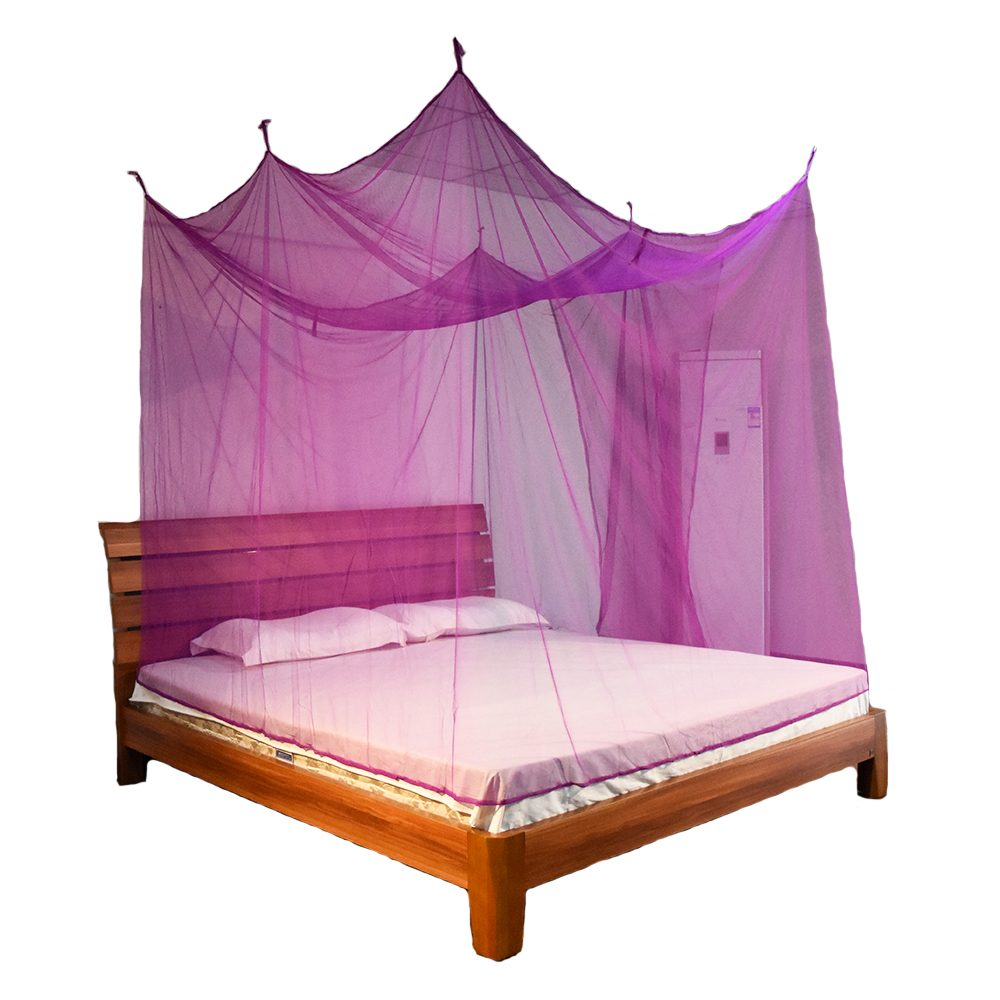
Historically, resort procurement officers faced an frustrating choice: select standard, clinical-looking Long-Lasting Insecticide-treated Nets (LLINs) that resemble field clinic gear, or opt for beautiful, untreated cotton drapes that offer minimal protection. Standard untreated nets can trap insects inside if a guest leaves the canopy slightly open, transforming a decorative element into an accidental trap.
This challenge is particularly acute for eco-lodges and open-air luxury pavilions. These properties must provide robust barriers against biting insects while preserving the natural breeze and high-end aesthetic of the guest suites. The solution lies in high-performance materials engineered specifically for the hospitality sector.
At Yamei, we have observed that modern B2B buyers require custom solutions. Luxury hospitality demands high transparency, soft-to-the-touch fabric, and strict compliance with global safety standards. Bridging this gap requires understanding both textile engineering and guest psychology.
The "Active Shield" Paradigm: A Counter-Intuitive Truth
Many resort managers assume that "100% natural, untreated cotton netting" is the ultimate luxury option. In reality, untreated cotton is one of the least practical choices for a humid, high-end resort setting. Cotton absorbs ambient moisture, harbors mildew, loses structural integrity after repeated washes, and lacks active insect-repelling properties.
This brings us to our counter-intuitive truth: Active, low-toxicity synthetic polymers provide a safer, cleaner, and more luxurious guest experience than untreated organic fibers. High-performance polyester or polyethylene nets treated with WHOPES-approved (World Health Organization Pesticide Evaluation Scheme) ingredients do not just block mosquitoes; they repel them on contact.
When implementing a mosquito net bed for resorts, utilizing smart-treated fibers ensures that even if a guest leaves the canopy partially open, mosquitoes are discouraged from hovering near the sleeping area. This active protection keeps guests secure without sacrificing the breezy, open aesthetic of tropical architecture.
The S.A.F.E. Canopy Framework for Resort Procurement
To assist procurement teams in evaluating canopy systems, we developed the S.A.F.E. Canopy Framework. This methodology assesses four critical dimensions of hospitality textile performance:
| Dimension | Key Metric | Hospitality Standard | Why It Matters |
|---|---|---|---|
| Security & Safety | Mesh Density (Holes/inch²) | 156 to 200 holes per sq. inch | Balances airflow with total protection against vector mosquitoes. |
| Aesthetic Integration | Denier (Fiber weight/density) | 50D to 75D for drape and softness | Ensures a elegant cascade and high transparency for guest photos. |
| Fabric Longevity | Tensile Strength & Wash Resistance | Min. 20-30 industrial washes | Reduces replacement costs and prevents tearing during housekeeping. |
| Ecological Compliance | Chemical Certification | OEKO-TEX Standard 100 / WHO compliant | Guarantees zero skin irritation and complies with eco-resort standards. |
Security & Safety (S)
The primary function of any net is protection. A mesh density of 156 holes/inch² (approximately 1.2 mm x 1.2 mm holes) is the ideal balance recommended by health authorities. It prevents the entry of *Anopheles* (Malaria carrier) and *Aedes* (Dengue carrier) mosquitoes while allowing natural ventilation, reducing the stuffy feeling often associated with cheaper netting.
Aesthetic Integration (A)
Luxury is tactile and visual. A stiff, scratchy net feels cheap. Utilizing premium polyester with a denier rating between 50D and 75D provides a soft, romantic drape. The netting should cascade elegantly onto the floor, creating a slight pooling effect that prevents insects from entering under the hem.
Fabric Longevity (F)
Resort operations require durability. Housekeeping staff wash nets frequently to maintain hygiene. Standard domestic nets tear easily under industrial laundering. Working with specialized manufacturers like Yamei ensures double-stitched seams and reinforced borders, extending the lifespan of your investment.
Ecological Compliance (E)
Modern travelers value eco-responsibility. Any treated net must use safe, odorless, and non-sensitizing compounds. Certifications like OEKO-TEX Standard 100 verify that the netting is free of harmful levels of toxic substances, making it safe for skin contact, even for infant guests.
Strategic Procurement: Customizing by Destination Type
Not all resorts have the same environmental exposure. Your choice of a mosquito net bed for resorts should align with your geography and architecture:
Eco-Lodges & Jungle Pavilions: High humidity and open walls require heavy-duty, mildew-resistant polyester nets with weighted hems to prevent movement from wind.
Beachside & Island Resorts: High salt content in the air corrodes metal zippers and hanging hooks. Opt for high-grade bamboo or marine-grade stainless steel suspension frames with non-metallic attachments.
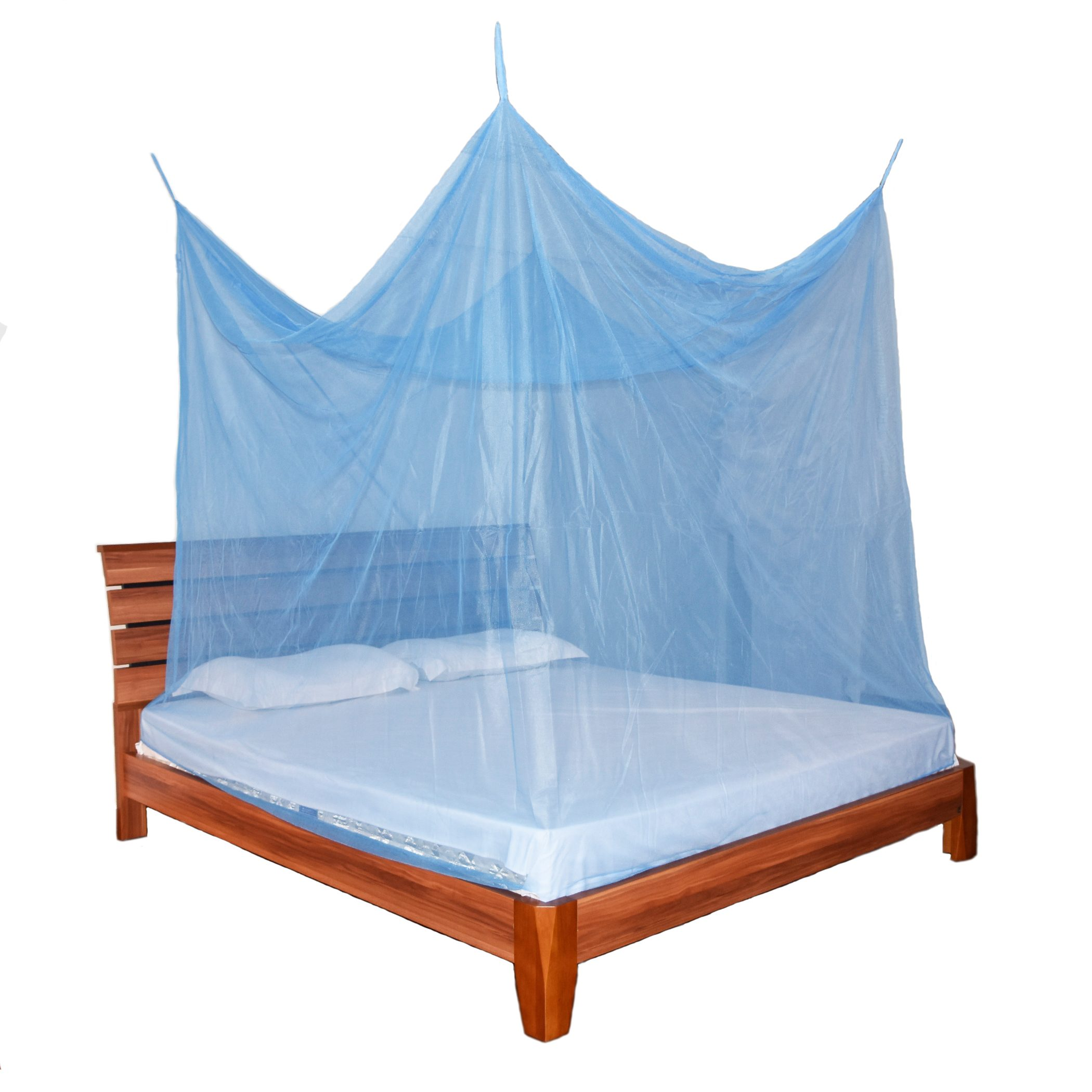
Ultra-Luxury Glamping Tents: Space can be constrained. Retractable box-style frames allow housekeeping to pull the netting back during the day, maintaining a spacious interior feel.
By customizing specifications to your property's micro-climate, you reduce wear-and-tear while providing guests with intuitive, easy-to-use protective systems.
Interactive Tool: Resort Mosquito Net Procurement Template
Use the following specification checklist during your next design or procurement cycle to ensure all quality indicators are met:
✓ Procurement Specification Checklist
Frequently Asked Questions (FAQ)
Q1: How do housekeeping teams clean luxury resort mosquito nets without damaging the fabric?
A1: Resort mosquito nets should be washed in cold water on a delicate cycle using mild, neutral detergents. Do not use bleach or harsh industrial enzymes. To dry, air dry away from direct sunlight to preserve the strength of the fibers and any active treatments. Specialized commercial nets by Yamei are built to withstand gentle machine washing up to 25-30 cycles without losing structural integrity.
Q2: Will a high-density mosquito net restrict airflow in rooms without air conditioning?
A2: While a mesh density of 156-200 holes/inch² is designed to block small insects, it still allows adequate air circulation. To maximize comfort in warm, non-AC environments, we recommend choosing a 75D polyester mesh, which has thinner threads that create a more open area per square inch without widening the holes.
Q3: Are treated LLINs safe for guests with sensitive skin or allergies?
A3: Yes. Reputable manufacturers use WHO-recommended treatments that are bound directly to the polymer fibers. This prevents the compound from rubbing off onto the skin. To ensure absolute safety, verify that your supplier holds an OEKO-TEX Standard 100 certificate, which confirms the product is safe for human contact, including infants.
Q4: What is the best way to secure the bottom of the net to prevent insect entry?
A4: In luxury resorts, tucking a net under the mattress can look messy. A more elegant solution is a "weighted hem" or "pooling drape." This involves adding a slightly heavier fabric border (such as canvas or linen) to the bottom of the net, allowing it to pool on the floor and seal off any gaps naturally.
Q5: Why should we choose synthetic polyester over natural cotton netting for our resort?
A5: While cotton fits an eco-friendly aesthetic, it easily absorbs moisture in tropical climates, leading to mold, mildew, and yellowing. Polyester is hydrophobic, dries quickly, resists staining, and holds its shape under repeated washings, making it a more hygienic and cost-effective choice for long-term resort operations.
Protecting Your Guests, Preserving Your Brand
Selecting a mosquito net bed for resorts is a critical detail in delivering a safe and memorable guest experience. By prioritizing structural durability, safety certifications, and refined design over cheap, generic alternatives, you elevate your resort's interior design while protecting your guests from health risks.
Partnering with an experienced manufacturer like Yamei ensures your properties are equipped with beautifully crafted, high-performance netting systems. Ready to elevate your resort's guest experience? Contact our B2B procurement team today to request custom fabric samples and bespoke design consultations tailored to your property's specific requirements.