Large-scale procurement of vector-control equipment requires a comprehensive understanding of textile engineering, regulatory frameworks, and supply chain logistics. Whether for humanitarian aid distribution, military deployments, or commercial recreation markets, selecting the correct barrier protection is a fundamental step in mitigating insect-borne diseases. Partnering with a reliable outdoor mosquito net bulk supplier is paramount to ensuring that volume orders meet international performance standards and withstand harsh environmental conditions.
This article examines the structural specifications, chemical treatment options, and quality control systems required for high-volume mosquito net procurement. It also addresses the primary pain points faced by procurement officers and demonstrates how professional manufacturers, such as Yamei, manage production variables to deliver dependable protection at scale.
1. Material Engineering: Polymer Choices and Fiber Specifications
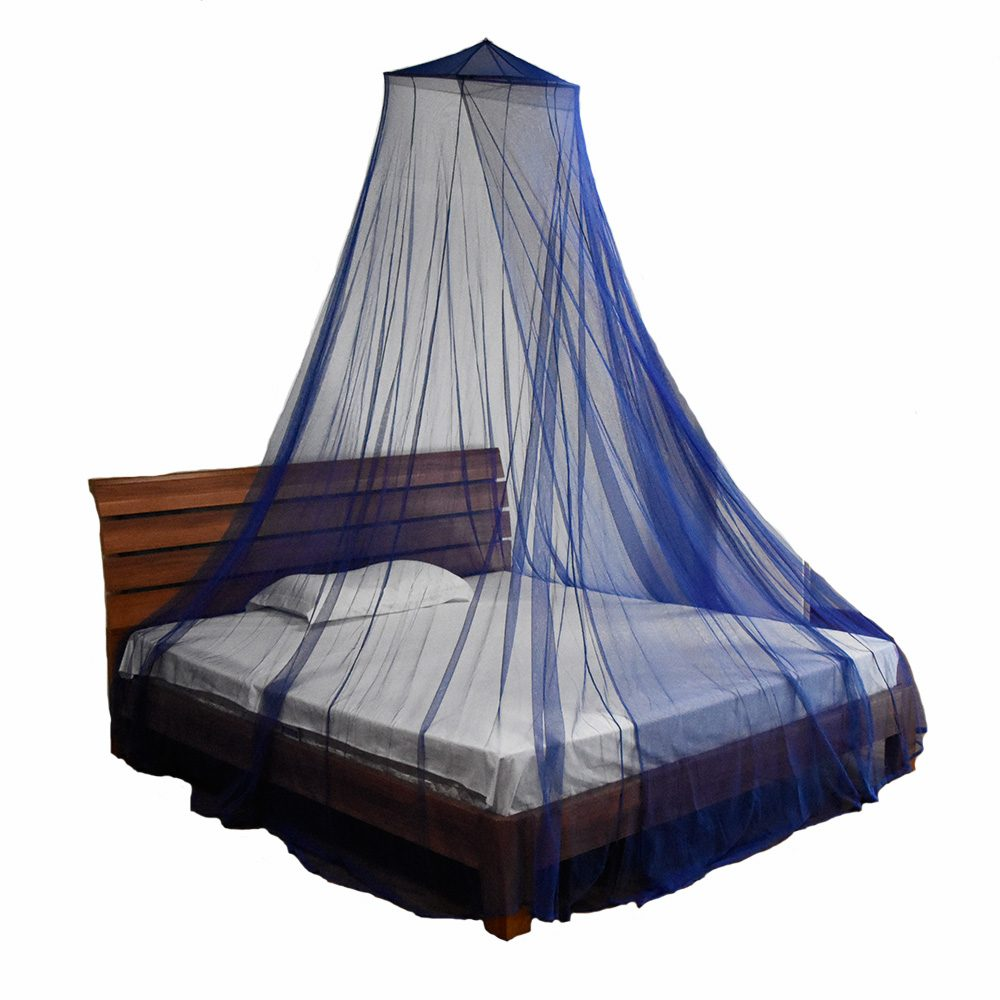
The durability and efficacy of an outdoor mosquito net are determined during the polymer extrusion phase. Procurement agencies must evaluate the physical properties of different synthetic fibers to match the specific demands of the deployment environment.
Polyester (PET) vs. High-Density Polyethylene (HDPE)
Polyester and polyethylene are the two primary polymers used in mosquito net manufacturing. Each material offers distinct advantages:
Polyester (PET): Polyester fibers are generally softer, more flexible, and easier to drape. Polyester nets typically utilize multi-filament yarns, which provide a high surface area. This characteristic makes them highly receptive to topical insecticide treatments. Polyester is the standard choice for structured tents, dome nets, and indoor-outdoor hybrid applications.
High-Density Polyethylene (HDPE): HDPE is highly robust. Extruded as a monofilament, polyethylene is inherently resistant to abrasions, tearing, and moisture absorption. HDPE nets do not degrade easily under prolonged exposure to ultraviolet (UV) radiation, making them the preferred choice for long-term outdoor installations, agricultural integration, and rugged field use.
Understanding Denier and Weight (Grams per Square Meter)
Denier (D) is a unit of measurement that indicates the linear mass density of a fiber, defined as the mass in grams per 9,000 meters of yarn. In bulk procurement, balancing fiber strength against product weight is a constant consideration:
75 Denier: Offers a lightweight barrier, suitable for portable backpacking nets and emergency relief kits where transit weight must be minimized.
100 Denier to 150 Denier: Provides a significant increase in tensile and bursting strength. These specifications are recommended for military bivouacs, heavy-use camping gear, and long-lasting insecticidal nets (LLINs) intended for multi-year field deployment.
Grams per Square Meter (GSM): GSM directly correlates with the density of the knit. A higher GSM indicates a denser fabric with greater resistance to physical wear, though it may reduce airflow in high-temperature environments.
Mesh Size and Air Permeability
The World Health Organization (WHO) recommends a minimum mesh size of 156 holes per square inch (25 holes per square centimeter) for standard mosquito protection. However, for outdoor environments populated by smaller biting insects, such as midges or sandflies (no-see-ums), a finer mesh size—often exceeding 300 holes per square inch—is necessary. Procurement specifications must balance the exclusion of tiny vectors with the need for adequate ventilation to prevent heat exhaustion in tropical climates.
2. Chemical Vector Control: Long-Lasting Insecticidal Nets (LLIN)
For humanitarian aid and public health campaigns, physical barriers alone are often insufficient. Chemical integration transforms a passive barrier into an active intervention system that repels and kills disease vectors like Anopheles mosquitoes.
Insecticide Incorporation vs. Coating
Modern insecticidal nets utilize pyrethroid compounds (such as Deltamethrin, Permethrin, or Alphacypermethrin) to ensure low mammalian toxicity and high insecticidal efficacy. There are two primary manufacturing methodologies for these nets:
Impregnation/Coating: The completed polyester net is immersed in an polymer-insecticide binder. While cost-effective, the insecticide gradually wears off during washing and exposure to rain.
In-Filament Incorporation: Used primarily with polyethylene nets, the active insecticide compound is mixed directly into the polymer masterbatch before extrusion. The chemical slowly migrates to the fiber surface over time. This configuration maintains insecticidal efficacy even after 20 or more standardized washes, meeting the strict criteria for long-lasting insecticidal nets (LLINs).
A competent outdoor mosquito net bulk supplier must provide comprehensive testing reports verifying that the chemical concentration remains within safe, effective therapeutic margins throughout the projected lifespan of the product.
3. Common Procurement Pain Points and Mitigation Strategies
High-volume purchasing of textiles involves complex supply chains, where minor errors can result in significant financial losses or distribution delays. Below are the most prevalent challenges faced by procurement officers and the strategies used to resolve them.
| Procurement Challenge | Root Cause | Mitigation Strategy |
|---|---|---|
| Inconsistent Tensile Strength | Poor calibration of knitting machinery or low-grade polymer raw materials. | Require ISO 13934 testing protocols for warp and weft breaking strength prior to shipping. |
| Chemical Decay in Storage | Inadequate UV protection in packaging or poor formulation of the insecticide binder. | Enforce dark-storage packaging specifications and utilize aluminized barrier foils for shipping. |
| Logistical Bottlenecks | Supplier lack of experience with international shipping ports and complex customs documentation. | Partner with suppliers who maintain dedicated export compliance teams and proximity to deep-water ports. |
| Dimensional Inaccuracy | Inadequate heat-setting of the synthetic mesh during the stabilization phase. | Implement strict manufacturing tolerances (+/- 5%) and verify dimensions under standardized tension. |
To successfully navigate these issues, international buyers require transparent communication from their manufacturing partners. Working with an experienced outdoor mosquito net bulk supplier ensures that these variables are monitored at every stage of the production cycle.
4. Manufacturing Quality Assurance and Regulatory Compliance
Deploying vector-control nets in humanitarian or military operations requires compliance with international regulatory frameworks. Uncertified products can lead to customs seizures, liability issues, and failed field protection.
Standards and Testing Methods
Reliable manufacturing facilities adhere to strict testing parameters to verify physical and chemical compliance:
Bursting Strength (ISO 13938): Measures the multi-directional pressure resistance of the net fabric, ensuring it can withstand rough handling in outdoor terrains.
Dimensional Stability (ISO 5077): Evaluates the shrinkage or elongation of the fabric after washing or exposure to moisture.
WHO Bioassay Testing: For insecticidal nets, cone tests are performed using laboratory-reared mosquitoes to measure the knock-down (KD) rate after 60 minutes and mortality rate after 24 hours.
Yamei maintains structured quality control systems that track production lots from raw resin intake to final bale compression. This traceability ensures that every batch shipped to international distributors meets the required physical performance parameters.
5. Designing for Diverse Outdoor Applications
The design of a mosquito net must be tailored to its deployment scenario. A commercial supplier must offer customization options to accommodate these varied demands.
Military Field Operations
Tactical personnel require rapid deployment systems. Nets designed for military use typically feature olive drab, sand, or camouflage coloration. These nets are treated with UV stabilizers to survive prolonged desert or jungle exposure and often incorporate reinforced mounting points and heavy-duty, rust-resistant zippers.
Humanitarian Relief and Disaster Recovery
In post-disaster scenarios, simplicity and structural integrity are key. Rectangular or wedge-shaped nets with reinforced double-stitched borders allow for quick installation inside temporary shelters, tents, or directly over sleeping mats. Large-scale relief distributions rely on highly compressed, space-efficient packaging to maximize cargo container capacity.
Commercial Camping and Recreation
The consumer outdoor market demands lightweight, compact designs with aesthetic appeal. Features such as integrated suspension kits, micro-mesh fabrics for protection against very small insects, and eco-friendly packaging are standard requirements for retail brands looking to source from an outdoor mosquito net bulk supplier.
6. Supply Chain Management: Packaging, Shipping, and Port Logistics
The final phase of successful bulk sourcing involves managing logistics. Because mosquito nets are lightweight but bulky, shipping costs can escalate quickly if packaging is not optimized.
Professional suppliers use hydraulic baling presses to compress hundreds of nets into tightly bound, waterproof bales. This process reduces the volume of the cargo, allowing buyers to maximize container load factors (CLF). Furthermore, proximity to major international shipping terminals reduces domestic transit times and lowers overall freight costs.
7.Establishing a Reliable Sourcing Partnership
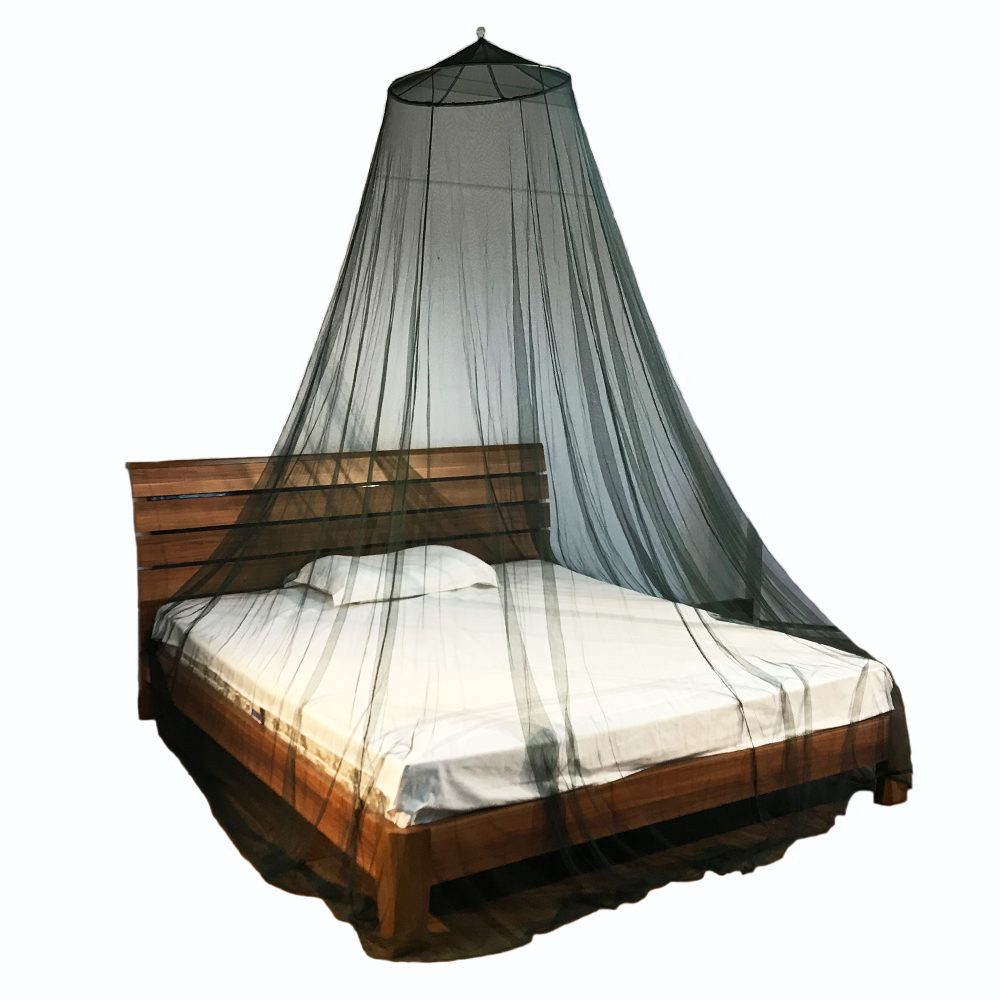
Sourcing protective nets at scale requires a balance of material quality, regulatory compliance, and logistical efficiency. Identifying a dedicated outdoor mosquito net bulk supplier ensures that your organization receives products manufactured under strict quality standards, delivered within budget and on schedule.
Yamei provides robust manufacturing support, clear documentation, and consistent material quality for high-volume orders. To discuss material specifications, request product samples, or receive a detailed quotation for an upcoming procurement project, contact the Yamei advisory team today. Our project managers will assist you in defining the exact parameters required for your specific deployment needs.
Frequently Asked Questions
Q1: What is the typical lead time for a high-volume container order?
A1: Standard lead times for container-load volumes typically range between 30 and 45 days. This timeline includes raw material extrusion, knitting, heat stabilization, tailoring, and bale compression. Lead times may vary based on seasonal demand and custom formulation requirements.
Q2: Can the mesh size be customized to protect against sandflies and midges?
A2: Yes. While standard mosquito control uses a 156-mesh configuration, we can manufacture micro-mesh variations exceeding 300 holes per square inch to prevent smaller biting insects from passing through, whilst maintaining acceptable airflow.
Q3: How are the nets packaged to optimize shipping costs?
A3: For large-scale shipments, nets are compressed into high-density, waterproof bales using hydraulic machinery. This method reduces the cargo volume by up to 50% compared to standard carton packaging, allowing you to maximize container capacity and reduce ocean freight costs.
Q4: Do your insecticidal nets comply with international humanitarian distribution standards?
A4: Our manufacturing processes align with recognized international quality standards. We provide comprehensive documentation, including tensile strength verification, flammability test results, and chemical distribution certificates to support import compliance.
Q5: What is the minimum order quantity (MOQ) for custom-designed outdoor nets?
A5: The minimum order quantity depends on the customization requirements, such as specific fiber colors, custom dimensions, or specialized chemical treatments. Generally, the MOQ for custom production runs starts at 1,000 units per specification.