Global vector control initiatives rely heavily on the distribution of long-lasting insecticidal nets (LLINs) to combat malaria, lymphatic filariasis, and other mosquito-borne pathogens. In large-scale procurement, particularly for ministries of health, non-governmental organizations, and international relief agencies, quality compliance is paramount. Sourcing products from a mosquito net approved by WHO supplier ensures that the protective equipment meets the rigorous evaluation standards established for global public health campaigns. Yamei continues to serve this sector by aligning its manufacturing processes with international guidelines, delivering durable, safe, and highly effective protective nets to vulnerable regions worldwide.
For B2B buyers, navigating the specifications of insecticidal nets involves analyzing polymer chemistry, insecticide retention, and mechanical durability. This analysis provides a deep examination of these manufacturing parameters, helping supply chain managers make informed purchasing decisions.
The Structural and Chemical Engineering of LLINs
To understand the rigorous demands placed on these materials, one must look at the structural and chemical engineering of modern insecticidal nets. Long-lasting insecticidal nets are not merely physical barriers; they are active chemical delivery systems designed to repel and kill vector insects over several years of continuous use. The primary choices in polymer selection dictate the performance and longevity of the final product.
Polymer Selection: Polyester vs. High-Density Polyethylene
Manufacturers utilize two main polymer bases for LLIN production, each presenting distinct physical characteristics:
Polyester (PES): Typically knitted from multi-filament yarns, polyester nets offer a softer texture, which often leads to higher acceptability among end-users. These nets generally feature a denier of 75D or 100D. From a structural perspective, polyester requires a surface coating formulation where the insecticide is bound to the fiber using a specialized polymer resin.
High-Density Polyethylene (HDPE): Known for superior tensile and bursting strength, HDPE nets are constructed from monofilament yarns, usually at 100D to 150D. The key advantage of HDPE lies in the incorporation technology, where the insecticide is blended directly into the polymer melt prior to extrusion. This allows the active ingredient to migrate to the surface gradually over time.
Insecticide Formulation and Binding Technology
The choice of insecticide is restricted to compounds that demonstrate low mammalian toxicity while remaining highly toxic to target mosquito populations. Pyrethroids such as deltamethrin, alphacypermethrin, and permethrin remain the industry standards. The engineering challenge is to maintain a controlled release mechanism. If the insecticide migrates to the surface too quickly, it will be washed away during laundering. Conversely, if migration is too slow, the surface concentration will fall below the lethal threshold required to knock down mosquitoes.
Key Performance Indicators of a Mosquito Net Approved by WHO Supplier
Working with a mosquito net approved by WHO supplier guarantees that the manufacturing processes conform to strict prequalification requirements. These standards are established to verify that the nets remain bioeffective even after multiple washes and prolonged exposure to tropical storage conditions.
The evaluation pathway involves laboratory testing and field trials to verify three primary performance parameters:
1. Wash Resistance and Bioefficacy Retention
The defining characteristic of an LLIN compared to a conventional insecticide-treated net (ITN) is its ability to withstand at least 20 standard laboratory washes. A standard wash protocol involves immersing the net sample in water with a specific soap concentration, agitating it under controlled temperatures, rinsing, and drying. Following these washes, the net must achieve:
A minimum mortality rate of 80% in target mosquito populations exposed during standard cone tests.
Or a minimum knockdown rate of 95% within 60 minutes of exposure.
2. Regeneration Time
After a net is washed, the surface concentration of the insecticide is temporarily depleted. The regeneration time is the duration required for the active ingredient to migrate from the inner polymer core (in HDPE nets) or from the binder layer (in polyester nets) back to the surface to restore full bioefficacy. A short regeneration time—typically between 24 and 48 hours—is necessary to ensure the user is not left vulnerable after washing the net.
3. Physical Durability and Bursting Strength
A net that chemically repels mosquitoes but tears easily is ineffective in real-world environments. The physical integrity of the fabric is tested using standardized tests for bursting strength, tensile strength, and snag resistance. Polyester nets must achieve a minimum bursting strength of 250 kPa, while polyethylene nets, due to their monofilament structure, are expected to meet or exceed 350 kPa. Yamei focuses on reinforcing seam stitching and border construction to prevent premature failure at the stress points of the net.
Addressing Logistics and Field Durability Challenges
Procurement agencies operating in the humanitarian sector face significant logistical bottlenecks. The journey from a manufacturing facility to a remote village in Sub-Saharan Africa or Southeast Asia involves multiple transport stages, exposure to extreme heat, and high humidity.
By analyzing these field challenges, manufacturers can modify the packaging and construction of the nets to mitigate logistical risks:
Compression and Baling: To optimize shipping container space, nets are compressed under hydraulic baling presses. A standard container can hold tens of thousands of individual nets when properly baled. The packaging must withstand this pressure without causing the protective polymer binders on polyester nets to degrade or transfer unevenly.
UV Stabilization: During transport and within open-air dwellings, nets are exposed to solar radiation. UV light degrades pyrethroid compounds rapidly. Incorporating specialized UV stabilizers into the yarn extrusion process protects the active molecules from photo-degradation, ensuring the net retains its chemical integrity throughout its designated shelf-life.
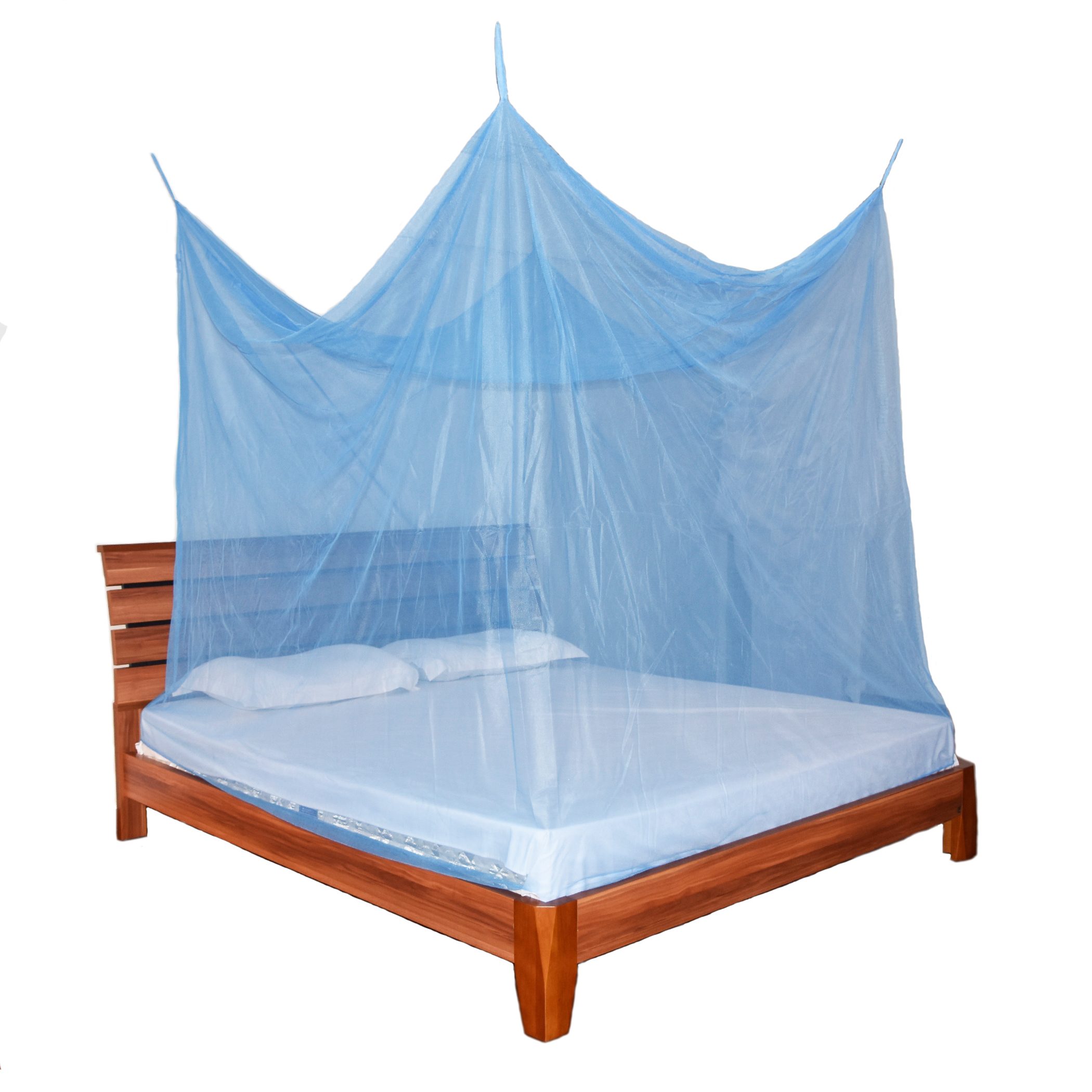
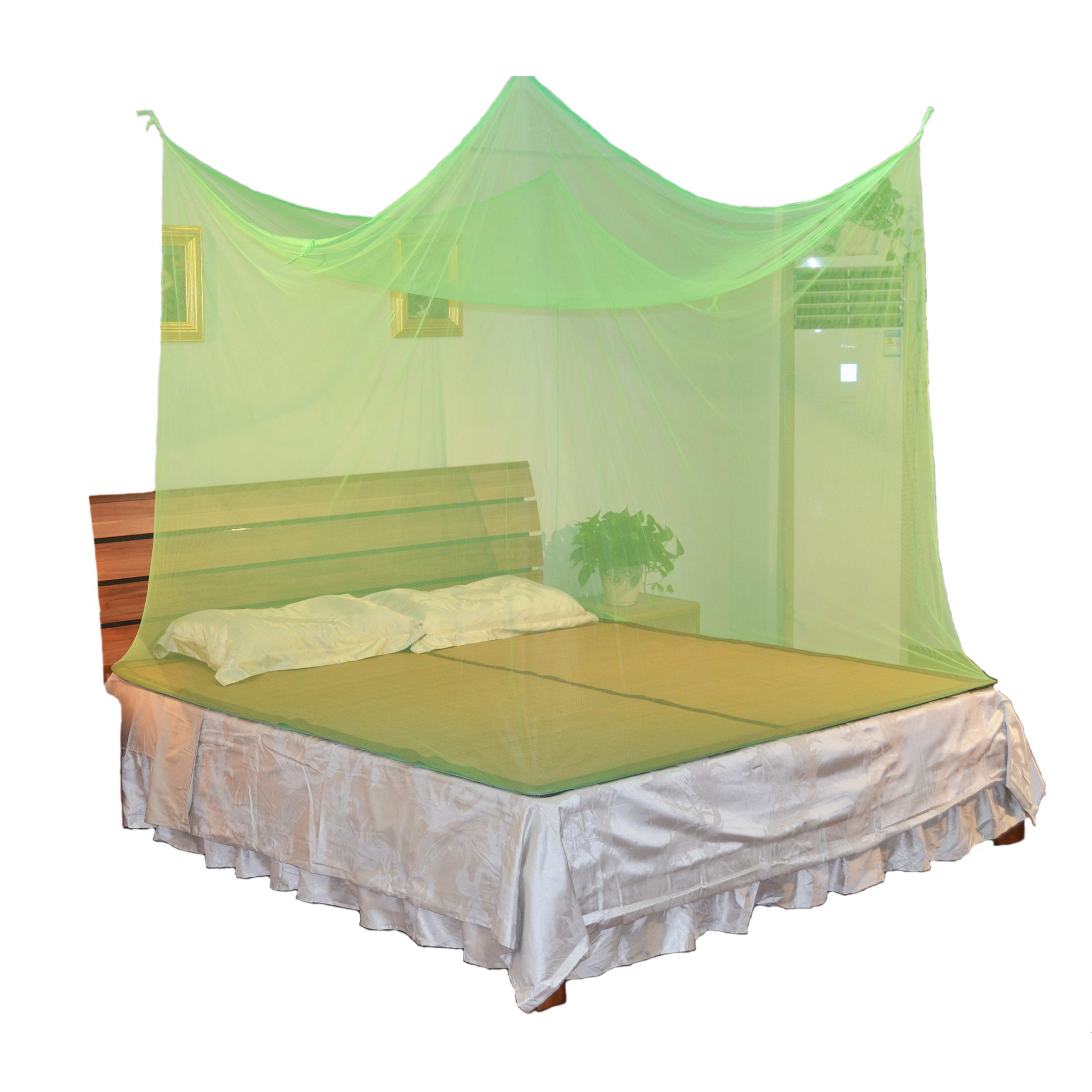
Customized Dimensions and Hanging Accessories: Different regions utilize varied bedding structures, from double beds to sleeping mats on the floor. Offering diverse sizes (rectangular vs. conical designs) and supplying sturdy hanging kits (including extra-long strings and ceiling hooks) directly influences user compliance rates.
Sourcing Strategies for B2B Buyers and Health Agencies
When evaluating bids from suppliers, procurement officers must look beyond unit prices. A low-cost net that fails bioefficacy testing after ten washes represents a poor investment of public funds and compromises community health. A systematic verification process is recommended:
First, verify the manufacturer's quality management systems. ISO 9001 certification is a baseline requirement, demonstrating that the facility maintains consistent production quality. Second, request comprehensive batch testing reports. Every production run should undergo chemical analysis via Gas Chromatography or High-Performance Liquid Chromatography (HPLC) to confirm that the active ingredient concentration falls within the narrow tolerance bands specified by international standards.
Alongside chemical testing, physical sampling is necessary. Buyers should request samples of the mesh construction to verify the hole count (typically 156 holes per square inch) and inspect the stitching of the side panels. Yamei provides full documentation and pre-shipment inspection access to third-party verification agencies, ensuring complete transparency before shipping containers leave the port.
Rigorous Quality Management Systems at Yamei
Yamei operates advanced manufacturing lines designed to meet the strict demands of international vector control programs. By managing the entire production vertical—from polymer extrusion and warp knitting to chemical treatment and final packaging—the company maintains tight control over every quality variable.
Our laboratory facilities conduct ongoing batch testing to monitor insecticide distribution homogeneity across the fabric surface. This strict attention to detail prevents "cold spots" where the insecticide concentration might be too low to deter vector contact, as well as "hot spots" that could cause skin irritation to users. Through continuous material-science research, Yamei works to improve the durability of the binder matrices used in polyester nets, extending the functional life of the nets in demanding climates.
Frequently Asked Questions
Q1: What is the main operational difference between polyester and polyethylene LLINs?
A1: Polyester LLINs utilize a surface-coating technology where the insecticide is held within a resin binder applied to the knitted fabric. Polyethylene LLINs incorporate the insecticide directly into the polyethylene polymer melt before extrusion, creating a monofilament fiber where the chemical is distributed throughout the entire structure. Polyester is softer and more flexible, while polyethylene offers greater mechanical strength and tearing resistance.
Q2: How does a mosquito net approved by WHO supplier assure chemical safety for infants and pregnant women?
A2: Supplying nets under international guidelines requires comprehensive toxicological assessments. The pyrethroid insecticides used (such as deltamethrin or alphacypermethrin) are selected because they target the nervous systems of insects while posing negligible risks to mammalian biology. The controlled-release formulations ensure that the quantity of chemical transferrable to human skin through contact remains well below established safety thresholds, even for vulnerable populations.
Q3: Why is the "denier" measurement significant when sourcing long-lasting insecticidal nets?
A3: Denier refers to the mass in grams of 9,000 meters of the yarn. It serves as a direct indicator of yarn thickness and fabric weight. A higher denier (such as 100D or 150D) translates to thicker fibers, which increases the physical durability and tensile strength of the net. This is particularly important in rural or rugged settings where the nets are subject to frequent handling, washing, and friction against rough bedding.
Q4: How does storage temperature affect the shelf-life of insecticidal nets?
A4: Insecticidal nets are often stored in tropical warehouses without temperature control. Extreme heat can accelerate the migration of insecticides to the surface, leading to premature depletion of the active ingredient reservoir. High-quality manufacturers like Yamei utilize heat-stabilized polymer formulations and barrier packagings to ensure that the chemical composition remains stable for up to several years in hot storage conditions before distribution.
Q5: What is the significance of the 156 mesh size standard?
A5: A mesh size of 156 holes per square inch (typically arranged in a 12x13 pattern) is the optimized standard for mosquito control. It provides a hole diameter small enough to block the physical passage of vector mosquitoes (such as Anopheles and Aedes species) while still allowing sufficient airflow. Maintaining adequate ventilation is vital to ensuring that populations living in hot, humid climates sleep under the nets consistently.
Partner with Yamei for Reliable Vector Control Solutions
Selecting the correct material specifications and manufacturing standards is critical to the success of public health campaigns and commercial distribution networks. Yamei provides comprehensive support to procurement teams, offering detailed documentation, laboratory analysis, and customized manufacturing configurations to meet specific regional requirements.
Whether you are drafting technical tenders for municipal health programs or establishing a retail distribution channel, our engineering team is available to assist. Please contact our international sales office to submit a formal inquiry, request material samples, or discuss custom production timelines for your upcoming vector control projects.