Large-scale vector control initiatives rely heavily on the deployment of WHO-prequalified tools to combat malaria and other vector-borne infections. For procurement officers, non-governmental organizations, and ministries of health, establishing a secure supply chain for these resources is a primary objective. Managing a successful long lasting insecticide mosquito net procurement campaign requires a clear understanding of material science, chemical longevity, and compliance protocols.
Manufacturers like Yamei focus on delivering high-performance products that meet the rigorous standards established by international health bodies. By understanding the balance between textile durability and insecticide release rates, purchasing teams can make informed decisions that ensure long-term protection for target populations. This analysis examines the major specifications, manufacturing criteria, and logistical aspects that define international tenders.
Regulatory Compliance and International Standards
The foundation of any purchase agreement in this sector is regulatory approval. National malaria control programs and international donors require products to possess active prequalification status. The World Health Organization Prequalification (WHO PQ) team assesses vector control products for safety, efficacy, and manufacturing quality.
During the planning phase of your long lasting insecticide mosquito net procurement, verifying the current prequalification status of the supplier is the first step. This certification confirms that the manufacturer adheres to strict quality management systems, typically validated by ISO 9001 and ISO 14001 audits. A certified production facility guarantees that the chemical dosage remains consistent across millions of units.
Testing methodologies developed by the Collaborative International Pesticides Analytical Council (CIPAC) are used to verify the active ingredient concentration. These protocols ensure that the chemical agent is distributed evenly throughout the textile fibers, preventing areas of low concentration that could allow vector survival.
Textile Characteristics: Polyester vs. High-Density Polyethylene
Choosing the correct polymer base is a decisive factor when establishing requirements for tenders. The two primary materials used in production are Polyester (PET) and High-Density Polyethylene (HDPE). Each polymer possesses distinct physical characteristics that influence the longevity and user acceptance of the netting.
| Parameter | Polyester (PET) | High-Density Polyethylene (HDPE) |
|---|---|---|
| Fabric Structure | Warp-knitted multifilament | Monofilament |
| Standard Denier | 75D or 100D | 100D to 150D |
| Bursting Strength | Minimum 250 kPa (75D) to 350 kPa (100D) | Minimum 350 kPa to 500 kPa |
| Texture | Soft, high drapeability | Stiff, high abrasion resistance |
| Insecticide Integration | Coating technology with binder | Incorporation into polymer melt |
Polyester nets are generally preferred in regions where user comfort is a primary factor in compliance. The soft texture allows for better drapeability around beds. HDPE nets, with their monofilament construction, offer superior physical durability and resistance to tearing, making them suitable for rough environments where housing structures may have rough surfaces.
Denier is another pivotal metric. It represents the mass in grams per 9,000 meters of yarn. A higher denier directly correlates with increased physical strength but also increases the raw material cost and the shipping weight. Balancing the budget against the expected lifespan of the net under local conditions is an important step during the long lasting insecticide mosquito net procurement process.
Insecticide Chemistry and Efficacy Retention
The chemical treatment applied to the netting determines its bio-efficacy against target insect populations. Historically, pyrethroid insecticides such as alpha-cypermethrin, deltamethrin, and permethrin have been the industry standard. These compounds target the nervous system of mosquitoes, providing a rapid knock-down effect.
To address pyrethroid resistance in specific vector populations, newer formulations have entered the market. These include synergist nets that pair a pyrethroid with Piperonyl Butoxide (PBO). The PBO inhibits the metabolic enzymes in the mosquito that would otherwise neutralize the insecticide, restoring the efficacy of the pyrethroid active ingredient.
The binding technology used to attach these chemicals to the fabric determines how long the treatment remains active. Coated nets use a polymer binder to stick the insecticide to the surface of polyester fibers. Incorporated nets blend the insecticide directly into the polyethylene melt during extrusion, allowing the chemical to migrate to the surface gradually over time. Both methods must withstand a minimum of 20 standardized washes while maintaining biological efficacy as defined by WHO guidelines.
Design Specifications and Customization Options
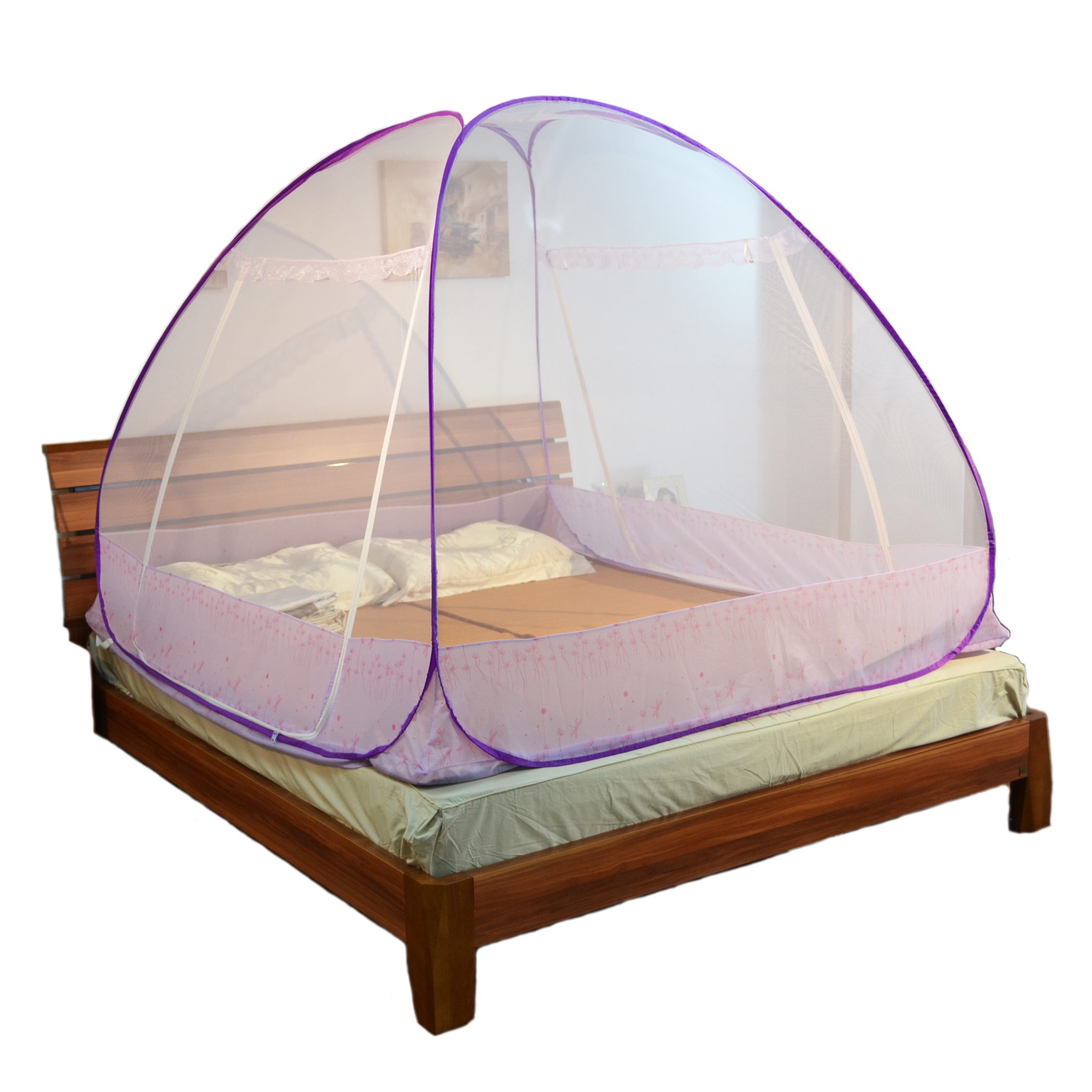
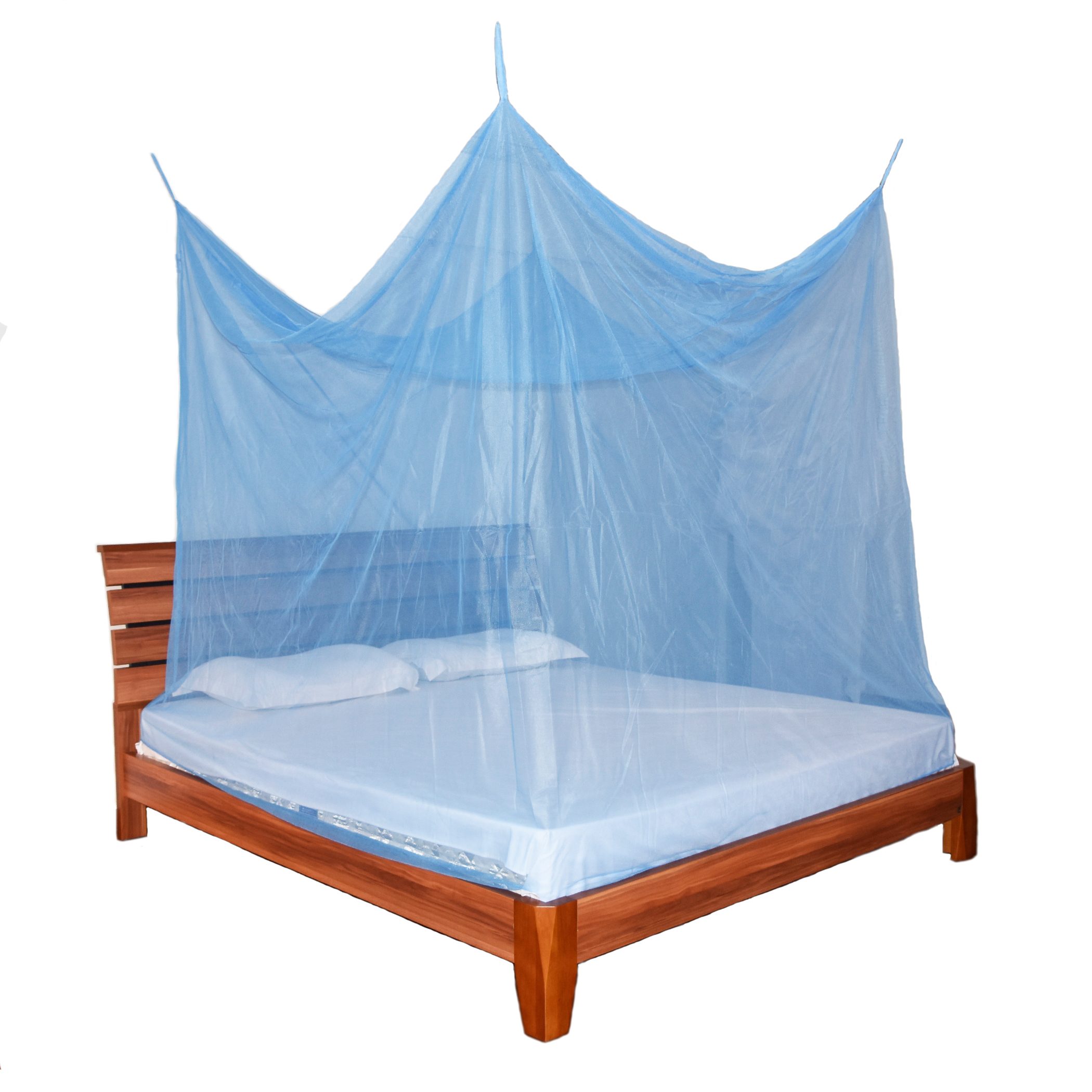
Netting must be adapted to the living conditions of the end-user. Standard rectangular shapes are common because they maximize the internal volume, providing a comfortable space that reduces the likelihood of the user making contact with the netting during sleep. Conical designs, which require only a single suspension point, are often favored in areas where suspension options are limited.
Reinforcement zones, or borders, are often added to the bottom of the nets. This section, usually called the skirt, is subjected to the greatest amount of stress when tucked under mattresses or sleeping mats. Reinforcing this area with a higher denier fabric or a tight weave prevents premature tearing and extends the functional life of the net in real-world conditions.
Sizing must accommodate local bedding customs. Standard sizes range from single (70 x 180 x 150 cm) to family-sized configurations. Procurement teams must collect accurate field data on local sleeping habits before finalizing contract specifications to avoid distributing nets that are either too small to cover the sleeping area or too large to fit inside local homes.
Logistics, Packaging, and Supply Chain Integrity
Shipping large volumes of lightweight, bulky textiles presents logistical challenges. To maximize shipping container utilization, manufacturers compress the finished nets into tightly bound bales. A standard 40-foot High Cube container can hold tens of thousands of individual nets when they are compressed and packed correctly.
Each bale is wrapped in a protective waterproof layer to prevent moisture ingress during sea transit. Moisture inside the packaging can lead to mold growth and can degrade both the fabric and the chemical binders. Proper labeling on the outside of each bale is required for tracking, showing the batch number, manufacturing date, expiry date, and specific donor branding required by organizations funding the purchase.
Yamei coordinates closely with international freight forwarders to ensure that the transport chain maintains the integrity of the product. The storage conditions during transport and warehouse staging must be managed to prevent exposure to extreme heat, which can accelerate the degradation of certain active chemical ingredients.
Quality Assurance and Factory Inspections
Before any batch of nets leaves the factory, a structured inspection protocol must be executed. This involves taking random samples from the production line to test for both physical and chemical properties. Independent third-party inspection agencies are typically hired by the purchasing agency to verify compliance before shipment.
The inspection protocol includes verifying the dimensions, weight, mesh size, bursting strength, and chemical concentration of the active ingredients. The mesh size is calculated by counting the number of complete holes per square inch, with a standard target of 156 holes per square inch to prevent mosquito entry while allowing sufficient airflow in tropical climates.
Batch traceability is maintained through detailed production logs. If a specific batch fails to meet the required standards, the manufacturer must be able to identify and isolate the affected units. This level of quality control ensures that the products delivered to the field will perform reliably throughout their intended multi-year lifespan.
Frequently Asked Questions
Q1: What is the expected lifespan of a net procured under these standards?
A1: Under normal field conditions, a prequalified net is designed to retain its biological efficacy and physical integrity for a minimum of three years. This lifespan assumes standard usage and periodic washing up to 20 times using non-abrasive soap and drying in the shade.
Q2: How does PBO chemical integration differ from standard pyrethroid-only nets?
A2: Standard nets rely solely on pyrethroids to kill vectors. PBO nets contain an additional synergist compound, Piperonyl Butoxide, which temporarily disables the defense enzymes of pyrethroid-resistant mosquitoes. This allows the pyrethroid to successfully eliminate the insect, making these nets highly effective in resistance hotspots.
Q3: Why is the choice of mesh size significant for vector control programs?
A3: The standard mesh size of 156 holes per square inch strikes a balance between physical protection and ventilation. A smaller mesh would restrict airflow, making the net hot and uncomfortable to sleep under, which reduces user compliance. A larger mesh would allow smaller insect vectors to pass through the barrier.
Q4: How are shipping volumes managed for large-scale long lasting insecticide mosquito net procurement campaigns?
A4: Nets are compressed into high-density bales using hydraulic presses. This process minimizes the volume of the cargo, allowing more units to fit into standard shipping containers. Typically, individual nets are packed in biodegradable or recyclable plastic bags before being baled to protect them from environmental damage during distribution.
Q5: What active ingredients are most commonly used in these products?
A5: The most common active ingredients are WHO-approved pyrethroids, including deltamethrin, alpha-cypermethrin, and permethrin. In newer generation nets designed to manage resistance, these are paired with synergists like PBO or alternative active compounds like chlorfenapyr.
Inquire for Wholesale Purchasing and Custom Specifications
For organizations looking to manage a long lasting insecticide mosquito net procurement contract, finding a reliable manufacturing partner is essential to achieving project goals. Yamei provides high-quality vector control solutions tailored to meet international tender standards, donor specifications, and local field requirements.
Please contact our commercial division to request detailed technical datasheets, verify our compliance certifications, or obtain a comprehensive quotation for bulk orders. Provide your required dimensions, polymer type, insecticide formulation, and delivery timelines, and our team will prepare a structured proposal for your evaluation.