The global demand for mindfulness retreats, outdoor wellness centers, and dedicated meditation spaces has grown steadily over recent years. As practitioners seek quiet environments free from external disruptions, the need for specialized protective gear has risen. Standard insect screens often fall short of meeting the unique demands of silent retreats. For commercial buyers, distributors, and hospitality managers, navigating the meditation mosquito net wholesale market requires a thorough understanding of material science, structural engineering, and supplier capabilities.
A high-quality meditation enclosure must offer more than simple insect protection. It must facilitate airflow, prevent feelings of claustrophobia, remain perfectly silent during movement, and withstand repeated setup and breakdown cycles. Choosing the right wholesale manufacturing partner is a fundamental decision that directly impacts product lifespan and user satisfaction.
1. Material Science: Textile Specifications for Silent Practice
The foundation of any high-performance protective enclosure lies in the yarn and the knitting pattern. In the wholesale sector, material choice directly influences weight, breathability, durability, and cost. Most commercial nets are constructed from either polyester, nylon, or cotton blends, each presenting distinct physical properties.
Polyester (polyethylene terephthalate) remains the industry standard for bulk production. It offers high tensile strength, resistance to mildew, and minimal shrinkage when washed. When negotiating your meditation mosquito net wholesale contract, paying close attention to the denier count is helpful. Denier (D) measures the mass in grams of 9,000 meters of yarn. For meditation nets, a denier range of 50D to 75D provides the optimal balance. A 50D net is lightweight and offers high transparency, which helps practitioners feel connected to their natural surroundings, while a 75D or 100D net provides greater tear resistance for rugged outdoor environments.
The mesh density, measured in holes per square inch, is another key specification. A standard density of 156 holes per square inch is sufficient to stop common mosquitoes (Anopheles, Aedes, and Culex) while maintaining excellent air circulation. However, for wellness retreats situated in coastal or forested areas where smaller biting insects like midges or sandflies are common, a higher mesh density of 300 to 400 holes per square inch is required. Buyers must balance this selection, as tighter mesh configurations naturally reduce airflow, which can lead to heat accumulation during long sitting sessions.
2. Structural Designs and Silent Closures
A major distinction between general-use bedding screens and professional meditation gear is the frame architecture. Meditation requires an upright posture, meaning the enclosure must provide sufficient vertical clearance and ample elbow room to prevent the fabric from touching the practitioner's body.
There are two primary structural designs preferred by wholesale buyers:
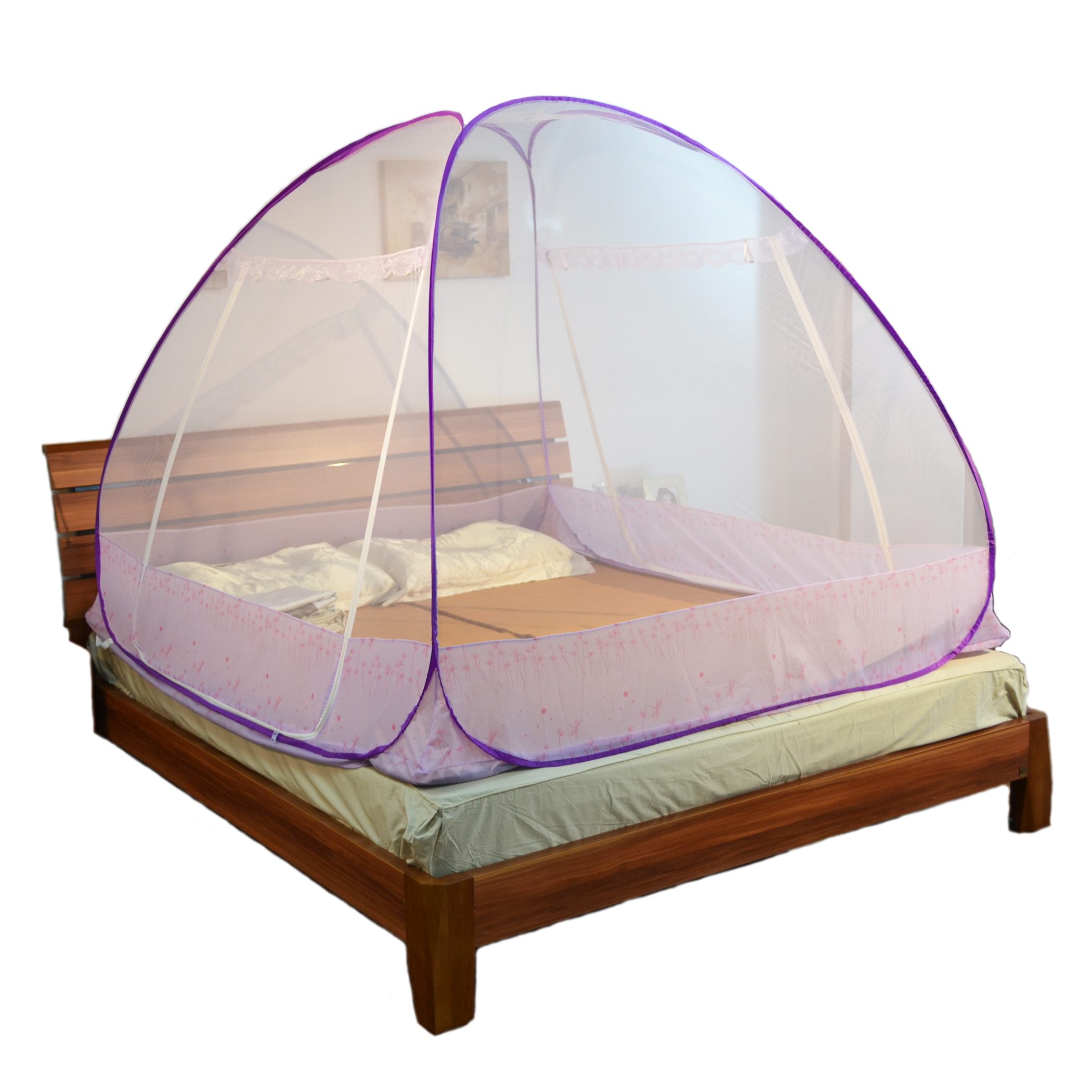
Freestanding Pop-up Frames: These models utilize high-tensile spring steel wire or flexible fiberglass poles. They require no ceiling hooks or external suspension points, making them ideal for outdoor yoga platforms, gravel floors, or multi-use halls. The frame must fold down into a flat, circular carry bag for easy transport.
Suspended Box and Pyramid Nets: These designs hang from one or more ceiling anchor points. Box configurations offer the most spacious interior, ensuring the mesh remains distant from the user. They are favored by permanent wellness centers and monastic cells where structural anchors are easily installed.
Alongside frame geometry, the entry system is a key point of evaluation. Standard metal or plastic zippers create sharp, loud scraping noises when operated, which can disrupt a silent meditation hall. High-grade meditation nets use silent closure mechanisms. Overlapping fabric entry points with a minimum of 50 centimeters of drape overlap prevent insect entry without any hardware. Alternatively, integrated magnetic strip closures along the seams allow the entryway to snap shut silently after the user steps inside.
3. Addressing Supply Chain Bottlenecks in Bulk Sourcing
Procuring large volumes of textiles from international manufacturers presents several operational challenges. Quality variance between product batches is a common concern for distributors. A single shipment containing mismatched dimensions, uneven stitching, or chemical odors can damage a distributor's reputation.
To mitigate these challenges, establishing strict manufacturing tolerances during the initial contract stage is advisable. Shrinkage rates should not exceed 2% after washing. Seam slippage, particularly at high-stress points like the corners and suspension loops, must be reinforced with double-needle stitching and bias tape binding. Working with an experienced manufacturer like Yamei allows buyers to implement standardized pre-shipment inspections to verify that every unit aligns with these physical benchmarks.
Lead times and raw material fluctuations also require careful planning. The global textile supply chain is subject to seasonal changes in polyester yarn pricing and shipping container availability. Establishing a clear production timeline—typically 30 to 45 days from deposit confirmation to port delivery—helps ensure that wellness centers and retail chains receive their stock before the peak summer or dry-season retreat periods begin.
4. Quality Assurance Protocols at Yamei
Maintaining product consistency across thousands of units requires structured quality control protocols. At Yamei, manufacturing begins with rigorous incoming material inspection. Every batch of polyester yarn is tested for tensile strength and dye colorfastness before entering the warp knitting machines.
The knitting process is monitored to prevent dropped stitches, which can create small gaps in the mesh that insects could exploit. Once the mesh fabric is rolled, it undergoes a heat-setting process to stabilize the dimensions, ensuring that the finished nets do not warp or shrink excessively under warm humid conditions. During the sewing phase, experienced operators reinforce the base skirts with heavy-duty fabric to prevent wear when placed on rough wooden decks or outdoor soil.
Every completed batch is subjected to final random sampling inspections based on Acceptable Quality Limit (AQL) standards. This process includes testing frame tension, zipper or magnet performance, and checking for any chemical odors. Ensuring that the nets are free from volatile organic compounds (VOCs) is a fundamental step, as practitioners perform deep breathing exercises inside these enclosures for hours at a time.
5. Customization Options for Wellness Brands and Distributors
A generic white net is rarely sufficient for premium wellness brands, resort chains, or specialized retail distributors. Customization helps businesses align their inventory with specific market expectations and aesthetic demands.
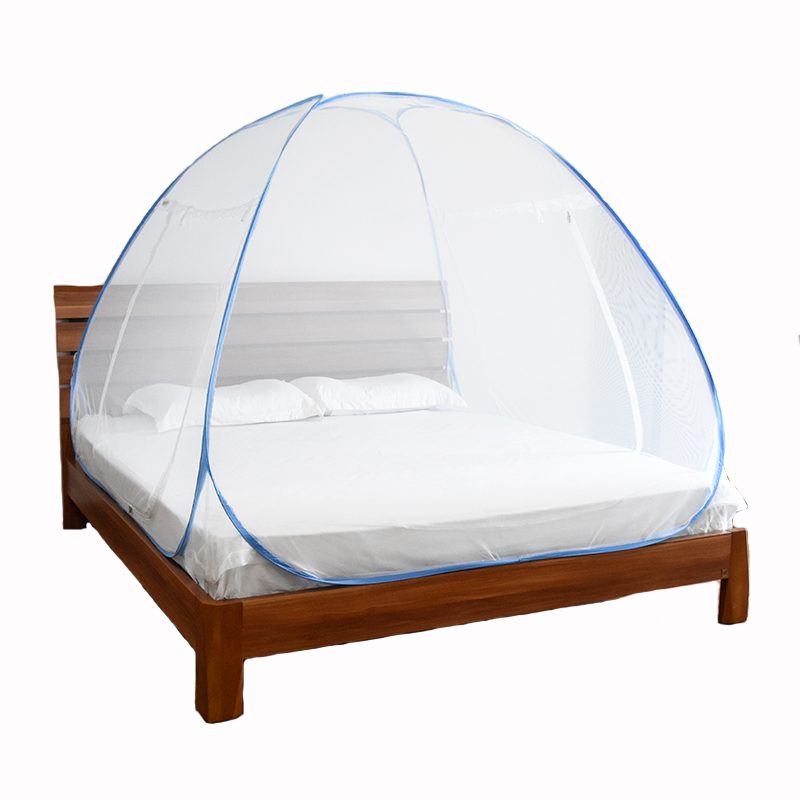
Color choices play a significant role in creating a calm environment. While white is classic, it can reflect light harshly in bright outdoor settings. Earthy tones such as olive green, deep navy, warm beige, and charcoal gray are highly requested in the meditation mosquito net wholesale sector because they blend into natural landscapes and reduce glare, making it easier for practitioners to rest their eyes.
Custom branding and packaging options represent another valuable opportunity for wholesale buyers. Offering custom carry cases made from heavy-duty oxford polyester with screen-printed logos can enhance the product's retail presentation. Additionally, manufacturers can adjust sizing to accommodate specific meditation benches, cushions (zafus), or kneeling stools (seizas), ensuring that practitioners have ample room regardless of their preferred posture.
Frequently Asked Questions
Q1: What is the recommended denier for a wholesale meditation net?
A1: For general indoor and light outdoor use, a denier of 50D to 75D is highly recommended. It offers excellent airflow and high transparency. If the nets are intended for rugged outdoor environments or frequent commercial rental use, a more durable 100D polyester fabric is advisable to prevent punctures and tears.
Q2: How does Yamei ensure that the nets do not have strong chemical odors?
A2: Yamei uses non-toxic, eco-friendly dyes and finishes that comply with international textile standards. Following the manufacturing process, the fabrics undergo a thorough washing and airing cycle to remove any manufacturing residues, ensuring the end product is scent-free and safe for deep-breathing practices.
Q3: Can we order custom colors to match our wellness resort branding?
A3: Yes. We can match custom colors based on Pantone color references. Earthy tones, deep blues, and forest greens are frequently requested by B2B clients looking to integrate the nets with their resort or studio interiors.
Q4: What are the minimum order quantities (MOQ) for custom meditation nets?
A4: Our standard MOQ for customized sizes, colors, or branding typically starts at 500 units per specification. For standard white or off-the-shelf designs, we can often accommodate smaller initial order volumes depending on our current production schedule.
Q5: How are the nets packed to minimize international shipping costs?
A5: Pop-up models are folded flat into circular bags and packed into high-density master cartons, maximizing container space. Suspended models are vacuum-packed to reduce volume. This compression significantly lowers freight costs per unit for bulk ocean and air shipments.
Submit Your Bulk Inquiry
Finding a reliable manufacturing partner is essential for securing high-quality, durable meditation enclosures that meet your business requirements. Yamei provides comprehensive wholesale manufacturing, custom sizing, and branding options to clients worldwide. To discuss your project specifications, obtain material samples, or receive a detailed quotation, please contact our B2B sales office today with your estimated order volume and design needs.