Global vector control programs rely heavily on the distribution of long-lasting insecticidal nets (LLINs) to protect vulnerable populations from malaria and other mosquito-borne pathogens. For international procurement agencies, non-governmental organizations, and ministries of health, establishing a balance between tight budgetary limits and strict regulatory benchmarks is a continuous challenge. Sourcing from a low price LLIN mosquito net factory involves more than comparing unit costs; it demands a deep evaluation of production methodologies, active ingredient stability, and quality control systems. Yamei assists global distributors in navigating these procurement complexities through transparent production practices and scaled manufacturing capabilities.
1. Polymer Formulation and Fiber Extrusion Processes
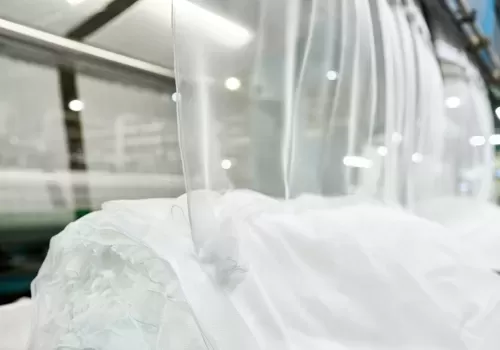
The manufacturing process of an LLIN begins with polymer selection, which serves as the physical foundation for the net. High-density polyethylene (HDPE) and polyester (polyethylene terephthalate) represent the two primary materials used in vector control netting. Each material type dictates a specific chemical integration method for the insecticide, directly affecting both the wear-resistance and the production cost of the finished product.
For polyester-based nets, the insecticide (typically deltamethrin or alphacypermethrin) is applied through a post-weaving chemical bath. A specialized polymer binder is mixed with the active pharmaceutical ingredient to coat the multifilament fibers. This binding agent regulates the migration speed of the insecticide molecules to the surface of the fiber, ensuring that a lethal dose remains accessible to mosquitoes even after repeated washing cycles. The uniformity of this chemical coating is heavily dependent on the temperature and pressure settings of the stenter frames during the drying and curing phases.
Polyethylene nets, on the other hand, utilize an incorporation technology where the insecticide is blended directly into the masterbatch before the extrusion process. The raw HDPE chips are melted and mixed with the active chemical ingredient, then extruded through spinnerets to form monofilament yarns. This methodology embeds the insecticide within the crystalline matrix of the polymer, allowing for a slow, continuous diffusion over several years. Controlling the heat profiles during extrusion is vital; excessive temperatures can degrade the pyrethroid molecules, rendering them inactive, while insufficient heat results in uneven filament diameter and structural weaknesses.
By operating as a direct low price LLIN mosquito net factory, Yamei manages these raw materials in-house. Exercising direct control over polymerization, masterbatch blending, and yarn extrusion minimizes compound wastage, which lowers the overall cost per square meter of mesh fabric.
2. Operational Efficiencies in a Low Price LLIN Mosquito Net Factory
Maintaining competitive market pricing while keeping product specifications aligned with global health guidelines requires systemic production management rather than the dilution of raw materials. To achieve this cost balance, modern production facilities utilize structured operational steps to minimize overheads.
Vertical Integration of Production Phases: By housing yarn spinning, warp knitting, chemical finishing, and sewing operations within a single facility, transport overheads and intermediate packaging costs are removed.
High-Speed Warp Knitting Automation: The use of computerized Raschel knitting machines allows for the high-volume production of locked-stitch mesh patterns. These automated looms ensure dimensional consistency and prevent unraveling if the mesh is punctured in field conditions.
Bulk Chemical Sourcing: Maintaining long-term supply contracts for raw polymers and registered active ingredients stabilizes material costs against spot-market fluctuations.
Thermal Energy Reclamation: The chemical fixing and drying processes require significant thermal energy. Modern factories use closed-loop heat exchangers to capture exhaust heat and redirect it back to the drying chambers, reducing utility consumption.
This structured control of manufacturing steps allows Yamei to offer budget-compatible pricing structures for large-scale international tenders, ensuring that cost mitigation does not affect the physical or biological performance of the distributed nets.
3. Structural and Material Specifications of Budget-Friendly LLINs
Procurement specifications govern the strength, airflow, and protective capability of the nets. Understanding how these mechanical variables influence the unit cost helps procurement officers avoid purchasing mistakes that could lead to failed field audits or custom clearance delays.
The denier rating represents the mass in grams of 9,000 meters of yarn, serving as a primary indicator of fabric weight and durability. Budget-conscious public health campaigns commonly specify either 75 Denier or 100 Denier configurations. A 75-denier fabric is lighter and offers higher breathability in hot, humid climates, while utilizing less raw polymer material, which lowers production costs. Conversely, a 100-denier fabric provides superior tensile strength and burst resistance, making it more suitable for rural regions with high physical wear factors.
The mesh density is another key structural specification. Standard vector control nets require a minimum mesh size of 156 holes per square inch (typically arranged in a 12 by 13 grid). This structural configuration is tight enough to prevent the penetration of female Anopheles mosquitoes while allowing sufficient airflow to keep users comfortable. Deviating from this standard pattern can compromise user compliance in warm areas or allow smaller insects to pass through.
The choice of net shape also influences the overall price structure. Rectangular nets represent a highly material-efficient shape because the fabric panels are cut at right angles, creating minimal scrap waste during assembly. Conical nets require circular cutting patterns and metal or plastic hanging rings, which increases both labor overhead and material costs. Consequently, rectangular configurations are generally favored for high-volume, budget-restricted public health distributions.
4. Quality Management Systems and International Standards
A manufacturing facility must operate under strict quality management systems to participate in institutional public health tenders. Standard certifications and regular laboratory verifications prove that the produced nets will remain biologically active throughout their intended lifespan.
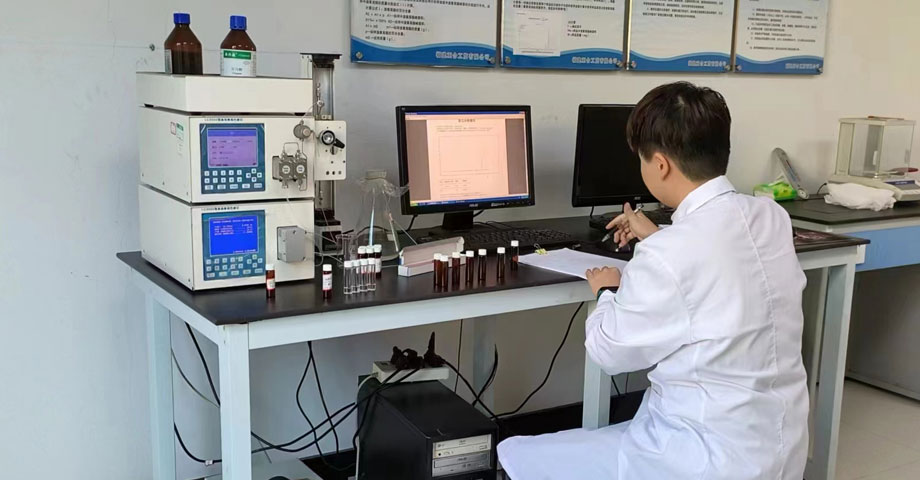
Compliance begins with ISO 9001:2015 certification, which establishes a framework for consistent production quality across different manufacturing shifts. In addition to general manufacturing standards, LLINs must undergo regular biological and chemical testing protocols. The concentration of the active ingredient must be monitored across each batch using High-Performance Liquid Chromatography (HPLC) to confirm that the insecticide is evenly distributed across both the warp and weft directions of the fabric.
Physical testing procedures assess the burst strength of the mesh using pneumatic testers to measure the force required to rupture the fabric. Standard wash-resistance tests are performed by submerging sample swatches in standardized soap solutions, subjecting them to mechanical agitation, and testing the remaining insecticide concentration after 5, 10, and 20 washes. To verify biological knockdown efficacy, laboratory bioassays expose susceptible mosquito populations to the net samples for three minutes inside plastic cones. The knockdown rate is measured after 60 minutes, and the total mortality rate is calculated after 24 hours. Yamei maintains detailed batch-testing logs to ensure each shipment complies with these rigorous performance criteria before leaving the facility.
5. Supply Chain Coordination and Container Loading Optimization
Ocean freight and inland logistics can represent a substantial portion of the final landed cost of an LLIN order. Implementing smart packaging methods is vital to preserving the cost savings generated on the factory floor.
Standard packaging configurations involve compressing individual nets using high-pressure industrial balers. Compressed baling reduces the volume of the cargo, allowing up to 30% more nets to be loaded into a standard 40-foot High Cube (HC) container. This reduction in cargo volume directly lowers the per-unit shipping cost, which is crucial for international transport budgets. The baling process utilizes protective polymer sheets to shield the compressed nets from light exposure and moisture during ocean transport, preserving the stability of the active insecticide formulation.
Efficient shipping coordination requires precise alignment with destination port regulations and customs documentation requirements. Properly labeled bales containing detailed batch numbers, production dates, and active ingredient percentages facilitate smoother clearance procedures. Through strategic logistics management, Yamei coordinates shipping schedules to match local deployment windows, helping buyers minimize demurrage and warehouse storage charges at destination ports.
6. B2B Sourcing and Bulk Inquiry Procedures
For international procurement agents, establishing a reliable direct partnership with a production facility is the most effective way to secure sustainable pricing. Direct communication with the factory eliminates intermediary markups and allows for the customization of dimensions, denier ratings, and packaging styles to fit specific project budgets.
When preparing an inquiry for a volume quote, buyers should specify the target denier, required net dimensions, color preferences, active ingredient type, packaging method (baled or individually boxed), and the destination port. This detailed information allows the factory to compute accurate material requirements and logistics cost projections, facilitating a highly accurate and competitive wholesale quote.
Frequently Asked Questions
Q1: How does Yamei maintain low prices while keeping LLIN quality
compliant with international standards?
A1: Yamei achieves cost
efficiency through vertical integration, utilizing high-speed automated weaving
machines, and managing raw materials in-house. These practices minimize material
waste and step-by-step processing costs without altering the chemical or
mechanical specifications of the finished nets.
Q2: What is the main structural difference between polyester and
polyethylene LLINs?
A2: Polyester LLINs are made of multifilament
fibers where the insecticide is bound to the surface using a polymer binder.
Polyethylene LLINs utilize monofilament fibers where the insecticide is directly
incorporated into the HDPE masterbatch before extrusion, offering different
physical stiffness and migration properties.
Q3: How many washes can these budget-friendly LLINs withstand before
losing their insecticidal efficacy?
A3: Our manufactured LLINs are
tested to withstand at least 20 standardized washes while maintaining active
ingredient levels above the required biological threshold, ensuring long-term
vector control performance under field conditions.
Q4: Can the physical dimensions and denier of the nets be customized
for specific NGO tenders?
A4: Yes, we customize dimensions, colors,
and denier values (such as 75D or 100D) to match the specific guidelines of
different regional health programs and procurement budgets.
Q5: What packaging options are available to reduce international
shipping costs?
A5: We utilize high-density industrial compression
baling to pack the nets tightly. This method maximizes container space
utilization, which reduces ocean freight costs per unit and protects the cargo
from moisture during transit.
Submit a Procurement Inquiry
For custom manufacturing requirements, bulk wholesale pricing, or to request production samples for laboratory testing, please submit your detailed specifications to the Yamei sales team. Our product specialists will provide comprehensive quotes and material compliance sheets to assist with your tender preparation and supply chain coordination.