Global procurement of vector control textiles and commercial netting requires strict adherence to precise manufacturing standards. Buyers representing public health organizations, military defense units, and commercial hospitality enterprises frequently require netting that departs from standard white or blue variations. Identifying a capable custom color mosquito net supplier involves evaluating polymer science, extrusion capabilities, and exact dyeing parameters. The right manufacturing partner ensures that visual specifications do not compromise the structural integrity or the insecticidal efficacy of the finished product. Yamei stands at the forefront of this manufacturing sector, offering advanced pigmentation processes integrated seamlessly with high-volume netting production.
The Intersection of Pigmentation and Polymer Extrusion in Netting
Production
The core challenge in manufacturing tinted insectary fabrics lies in the integration of pigment without degrading the base polymer. Netting is primarily constructed from either multifilament polyester (PES) or monofilament high-density polyethylene (HDPE). The pigmentation process diverges significantly based on the chosen material, requiring specific machinery and chemical formulations.
Masterbatch Blending for Polyethylene Networks
High-density polyethylene requires color integration prior to the yarn extrusion phase. A specialized custom color mosquito net supplier utilizes a concentrated color masterbatch, which is melted and mixed with virgin PE resin pellets. The thermal dynamics during this phase demand strict calibration. If the extrusion temperature exceeds the optimal range for the specific color pigment, the molecular chains of the polyethylene begin to break down. This degradation results in a lower tensile strength and a compromised denier count. By maintaining precise thermal zones along the extruder screw, Yamei ensures that the structural parameters of the yarn remain uniform, regardless of the pigment load.
High-Temperature Bath Dyeing for Polyester Fabrics
Polyester netting undergoes a completely different coloration process. Once the PES yarn is warp-knitted into the final mesh structure, the entire fabric roll enters a high-pressure, high-temperature dyeing vat. Disperse dyes are applied to bond chemically with the polyester fibers. Achieving a uniform shade across a 10,000-meter production run requires exact control over the dye bath's pH, temperature gradient, and circulation speed. Darker shades, such as olive drab or deep black, require longer bonding times and specialized leveling agents to prevent uneven patchiness. Following the dye bath, the fabric enters the stentering frame, where controlled heat sets the mesh structure, locking the holes into their specified dimensions (commonly 156 or 196 holes per square inch).
Resolving Procurement Challenges in Global Vector Control
Supply chain directors frequently encounter operational bottlenecks when sourcing non-standard textiles. The introduction of specific visual requirements often complicates the manufacturing timeline and affects the final quality assurance metrics. Addressing these friction points requires a manufacturer with deep vertical integration.
Maintaining Bursting Strength Across Diverse Shades
A frequent issue reported in B2B procurement is the variance in physical strength between different colors of the same product line. The physical manipulation required to achieve deep pigmentation can inadvertently weaken the fabric. Standard vector control guidelines mandate a minimum bursting strength, often measured at 250 kilopascals (kPa) or higher. An experienced custom color mosquito net supplier conducts rigorous ISO 13938-1 pneumatic bursting tests on every batch. Variations in pigment chemistry are compensated for through adjustments in the knitting tension and yarn denier, ensuring that an olive-green military net performs exactly like a standard white hospital net.
Chemical Compatibility in Long-Lasting Insecticidal Nets (LLINs)
For nets requiring insecticide treatment, the coloration process must be chemically inert to the active ingredients, such as alpha-cypermethrin or deltamethrin. In polyester nets, the binder chemical that adheres the insecticide to the fiber must not react with the disperse dye residues. Any chemical interference can lead to rapid depletion of the insecticide during routine washing. Yamei formulates wash-resistant binding agents that operate independently of the fabric's pigment profile. This separation of chemical functions guarantees that the netting retains full insecticidal efficacy through the standard requirement of 20 to 25 standard washes.
Application Scenarios Demanding Specific Visual Specifications
Standardized white netting is highly visible and prone to showing dirt, making it unsuitable for numerous field applications. Organizations seek out a specialized custom color mosquito net supplier to fulfill specific operational mandates across diverse environments.
Tactical Deployments and Defense Procurement
Military forces require field gear that aligns with strict camouflage regulations. Individual soldier bed nets and large-scale barrack canopies are typically mandated in olive drab, desert tan, or foliage green. These specific Pantone matches are designed for low reflectivity to avoid visual detection in the field. Yamei engineers these tactical nets using highly durable polyethylene, providing extreme tear resistance and integrating UV inhibitors. Prolonged exposure to harsh sunlight degrades standard polymers rapidly; integrating hindered amine light stabilizers (HALS) into the custom masterbatch extends the field life of the netting under intense solar radiation.
Commercial Hospitality and Safari Glamping
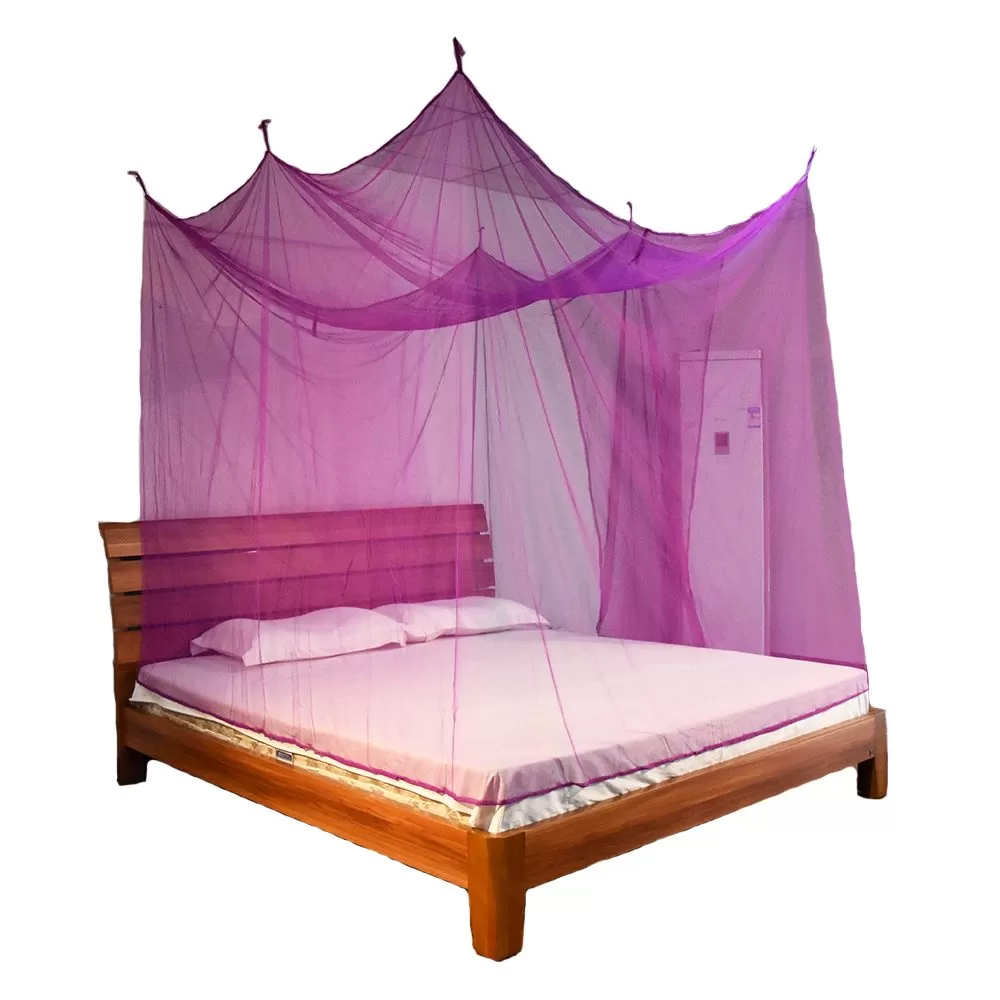
High-end eco-resorts and luxury safari lodges integrate mosquito netting into their interior design architecture. Stark white nets disrupt the earthy, natural aesthetic sought by luxury hospitality brands. Procurement managers in this sector demand deep mahogany, muted khaki, and charcoal gray nets that drape elegantly over four-poster beds. The material of choice here is usually soft multifilament polyester, prized for its superior drape and soft tactile feel. Supplying this sector requires a custom color mosquito net supplier capable of exact Pantone matching to align with interior decor, alongside guaranteeing flawless fabric consistency without any knitting faults or skipped stitches.
Targeted Public Health Interventions
Acceptance and daily usage of LLINs are the primary metrics of success for global health campaigns. Field studies consistently demonstrate that end-user compliance increases when the netting aligns with local cultural preferences and domestic environments. In regions where homes have high dust levels or open-fire cooking, white nets become permanently soiled within weeks, leading to early disposal. Supplying pastel blue, deep green, or culturally significant shades encourages families to retain and use the nets longer. Yamei partners directly with international NGOs to produce high-volume, cost-effective colored LLINs that meet all stringent World Health Organization guidelines while fulfilling these localized visual requirements.
Stringent Manufacturing Quality Control Framework
Delivering millions of units globally necessitates an uncompromising quality control infrastructure. Visual inspection alone is insufficient for professional B2B supply chains. Advanced laboratory testing ensures every container shipped meets exact contractual specifications.
Spectrophotometric Color Matching
Achieving visual consistency across multiple production shifts relies on precise optical measurement. Yamei utilizes advanced spectrophotometers to measure the exact light reflectance of the dyed fabric. The variance between the client's approved prototype and the final production batch is calculated as a Delta E value. A Delta E of less than 1.0 indicates that the human eye cannot detect a difference in shade. Maintaining this strict tolerance ensures that large-scale installations in hotels or military bases look entirely uniform.
Dimensional Stability and Flammability Standard Testing
Beyond color and strength, the fabric must hold its shape and meet safety regulations. The stentering process locks the warp and weft yarns in place. Shrinkage testing involves washing the nets at high temperatures to ensure the dimensions do not alter by more than 5%. Fire safety is an equally heavily regulated parameter. Nets utilized in commercial spaces and high-density camps must pass the 16 CFR Part 1610 flammability standard. Flame-retardant chemicals are carefully integrated into the masterbatch or dye bath, requiring exact formulation to avoid clouding the custom pigment or altering the fabric's flexibility.
Supply Chain Optimization and Packaging Logistics
Producing the fabric is only one phase of the procurement cycle. B2B buyers require efficient logistics to minimize shipping volume and reduce landed costs. Netting is inherently bulky, consisting mostly of air. High-pressure hydraulic baling machines compress thousands of nets into dense, manageable bales wrapped in heavy-duty polyethylene film. For retail or hospitality sectors, individual vacuum-sealed packaging provides pristine product delivery while optimizing container space.
Working directly with a comprehensive custom color mosquito net supplier like Yamei allows procurement teams to streamline their operations. By consolidating extrusion, dyeing, cutting, sewing, chemical treatment, and specialized packaging under one roof, the lead time from initial purchase order to final port delivery is significantly reduced. This vertical integration eliminates the delays and miscommunications often associated with fragmented supply chains.
Frequently Asked Questions
Q1: What is the standard minimum order quantity (MOQ) for requesting a specific Pantone color match?
A1: The MOQ depends heavily on the polymer type. For polyester (PES) nets utilizing a bath dyeing process, the MOQ is typically lower, aligning with the capacity of a single industrial dyeing vat (often around 3,000 to 5,000 units). For polyethylene (PE) nets requiring a custom masterbatch formulation and extruder purging, the economical MOQ is generally higher, starting around 10,000 units to offset the machinery setup costs.
Q2: Does integrating dark pigments into the netting decrease its physical lifespan?
A2: When engineered correctly, dark pigments do not reduce physical longevity. Dark colors naturally absorb more infrared radiation and heat from sunlight. To counteract this, high-quality manufacturers integrate UV stabilizers (like HALS) directly into the polymer matrix during the extrusion or dyeing phase, protecting the molecular chains from photo-oxidation and extending the net's field life.
Q3: Can long-lasting insecticidal treatments be applied to any fabric color?
A3: Yes, modern insecticidal binding agents are formulated to be optically clear and chemically independent of the underlying disperse dyes or masterbatch pigments. Rigorous high-performance liquid chromatography (HPLC) testing confirms that the chemical wash resistance remains consistent across all shades.
Q4: What is the process for ensuring the mesh size remains consistent after high-temperature dyeing?
A4: Dimensional stability is achieved through a precise stentering process. After the dye bath, the fabric is stretched over a heated frame under controlled tension. The exact temperature applied during this stage heat-sets the synthetic fibers, locking the mesh holes (e.g., 156 or 196 per square inch) into place so they will not shrink or warp during subsequent washing.
Q5: Can customized shapes and structural designs be manufactured alongside the customized colors?
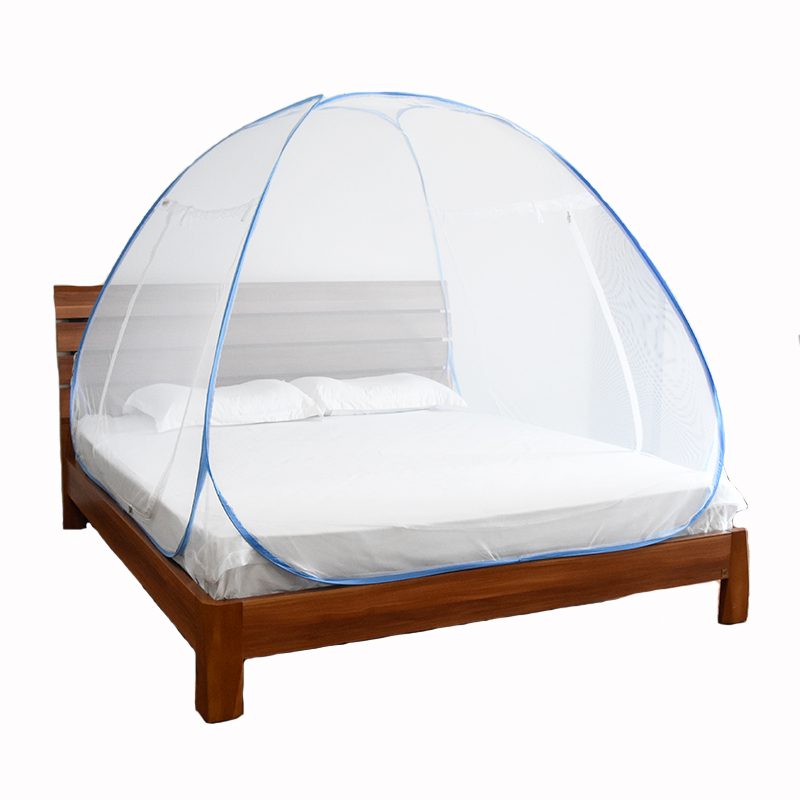
A5: Absolutely. The cut-and-sew facility can produce any structural configuration required, including standard rectangular family nets, conical luxury bed canopies, and specialized asymmetrical tactical enclosures. Pattern digitizing software ensures exact dimensions are cut efficiently, minimizing fabric waste regardless of the final geometry.
To secure highly engineered netting solutions tailored exactly to your organizational requirements, please contact the Yamei engineering and sales division today. Submit an inquiry specifying your desired dimensions, polymer preference, exact color parameters, and required delivery schedule to receive material swatches, detailed structural data sheets, and a comprehensive bulk quotation.