Vector-borne diseases, particularly malaria, present persistent public health challenges in tropical and subtropical regions. For decades, international health agencies, non-governmental organizations (NGOs), and ministries of health have utilized insecticide-treated nets as a primary line of defense. Within modern vector control initiatives, long-lasting insecticidal nets (LLINs) have largely superseded traditional treated nets due to their prolonged efficacy without the need for manual retreatment. When organizing large-scale distribution campaigns, procurement officers regularly prioritize 100% polyester LLIN mosquito nets wholesale options to achieve a balance between economic efficiency and field durability.
As a specialized manufacturer in this field, Yamei produces polymer-based vector control solutions that align with rigorous international specifications. Selecting the correct netting material involves analyzing polymer characteristics, chemical wash resistance, and the logistics of global distribution. This analysis examines the engineering parameters that determine the performance of polyester LLINs, providing B2B buyers with the objective data required to make informed sourcing decisions.
Polymer Comparison: Polyester vs. Polyethylene in LLIN Manufacturing
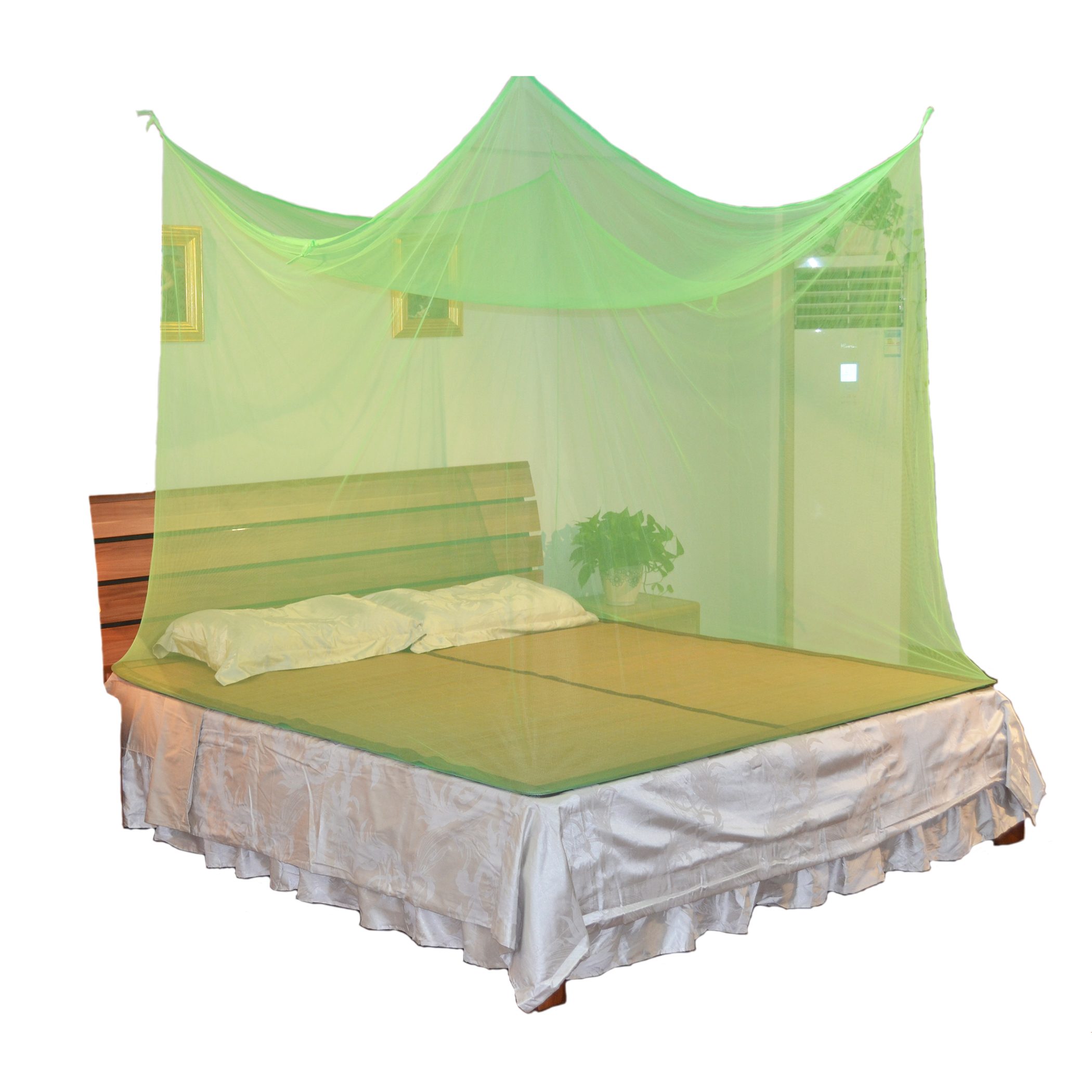
The choice of polymer substrate dictates the physical properties, lifespan, and user acceptance of an LLIN. The global market primarily utilizes two synthetic polymers: polyester (polyethylene terephthalate) and polyethylene. Each material presents distinct structural profiles that influence how the nets perform in diverse domestic environments.
Polyester LLINs are characterized by their multi-filament yarn construction. This configuration involves spinning multiple micro-fibers into a single thread, which yields a highly flexible, soft, and quiet fabric. The pliable nature of polyester makes these nets highly acceptable to end-users, as they drape easily over sleeping areas and do not generate rustling noises during movement. This comfort factor directly influences consistent usage rates in target populations, which is a pivotal metric for public health program success.
In contrast, polyethylene nets are typically manufactured using mono-filament yarns, which are thicker and inherently stiffer. While mono-filament polyethylene offers high tear resistance, the resulting fabric is rougher and less breathable than its polyester counterpart. Polyester netting, with its typical warp-knitted structure, allows for superior airflow—a vital consideration in hot and humid climates where compliance with sleeping under a net depends heavily on thermal comfort.
From a structural standpoint, polyester fibers demonstrate excellent dimensional stability. Under standard environmental conditions, they resist stretching and sagging. This stability ensures that the mesh size remains uniform over years of use, preventing vectors from finding entry points through distorted openings. When sourcing 100% polyester LLIN mosquito nets wholesale, understanding these material dynamics allows procurement managers to justify their selections based on both human compliance and physical durability.
Yarn Denier and Bursting Strength Specifications
To ensure that an LLIN survives the physical rigors of daily household use—including frequent washing, tucking under bedding, and accidental pulling—buyers must evaluate the yarn denier. Denier is a unit of measurement representing the mass in grams per 9,000 meters of yarn. In the manufacturing of polyester LLINs, the two industry-standard weights are 75 denier (75D) and 100 denier (100D).
75 Denier Polyester: This specification represents a lightweight, highly breathable fabric. It is often preferred for programs operating in extremely hot lowlands where air circulation is the primary factor in user compliance. It offers a cost-efficient profile for high-volume distribution campaigns.
100 Denier Polyester: This heavier yarn provides significantly greater physical strength. It is suited for rugged environments, rural households with rustic bedding arrangements, and regions where nets are frequently taken down and rehung during the day.
The physical strength of these fabrics is quantified through standardized bursting strength tests, typically conducted under ISO 13938-1 protocols. Under these test conditions, a hydraulic or pneumatic diaphragm applies pressure to a circular area of the fabric until it ruptures. For a 75D polyester net, standard guidelines require a minimum bursting strength of 250 kilopascals (kPa). For a 100D polyester net, this threshold rises to approximately 350 kPa or higher. Yamei ensures that its manufacturing processes are calibrated to exceed these baselines, reducing the frequency of physical damage that would render the insecticide treatment ineffective.
Insecticide Incorporation and Wash-Resistance Index
The defining characteristic of an LLIN is its ability to retain insecticidal efficacy through repeated wash cycles over a minimum of three years. For polyester fibers, this is achieved through a precise chemical binding process. Because polyester is a relatively dense crystalline polymer, the insecticide—commonly a synthetic pyrethroid such as deltamethrin or alpha-cypermethrin—is applied using a specialized polymer resin coating technology.
This formulation creates a controlled-release mechanism on the surface of the fibers. When mosquitoes land on the net, they absorb a lethal dose of the active ingredient. As the surface insecticide is gradually depleted through physical abrasion and washing, the internal reservoir within the polymer binder migrates to the surface, replenishing the protective layer. This process is engineered to maintain bio-efficacy (measured by mosquito knockdown and mortality rates) even after 20 standardized washes, adhering to World Health Organization Prequalification (WHO PQ) testing protocols.
The concentration of the active ingredient is typically specified in milligrams per square meter (mg/m²). For example, a standard deltamethrin-treated polyester net may require an active ingredient concentration of 55 mg/m², with a tolerance range defined by international regulatory standards. During production, quality control chemists at Yamei verify these concentrations using High-Performance Liquid Chromatography (HPLC) to guarantee uniform distribution across the entire surface area of the net. This uniform chemical barrier prevents the development of untreated zones where vectors could feed without contact with the insecticide.
Logistical Parameters for Bulk Procurement
Sourcing 100% polyester LLIN mosquito nets wholesale involves complex logistical planning. Because these items are destined for large-scale public health distributions, shipping volumes are often immense, necessitating efficient packaging to control freight costs. Manufacturers address this challenge by utilizing high-pressure hydraulic baling machines.
Nets are individually packed in sealed plastic bags to prevent contamination and UV degradation during transit. These individual units are then compressed into bulk bales, typically containing 50 to 100 nets per bale. This compression reduces the overall volume of the shipment by up to 60%, maximizing the payload of ocean containers. A standard 40-foot High Cube (40HQ) container can accommodate approximately 80,000 to 100,000 single polyester LLINs, depending on the specific denier and dimensions requested. Minimizing empty shipping space directly lowers the landed cost per unit, allowing funding organizations to purchase a greater volume of nets within their allocated budgets.
Furthermore, managing lead times is critical when coordinating with seasonal rain patterns and malaria transmission cycles. Production schedules at the Yamei facility are structured to accommodate tight delivery timelines, ensuring that shipments arrive at regional hubs well before the onset of peak transmission seasons. Proper documentation, including certificates of conformity, batch analysis reports, and shipping manifests, must be meticulously prepared to prevent delays during customs clearance in destination ports.
Comparative Specification Matrix for B2B Sourcing
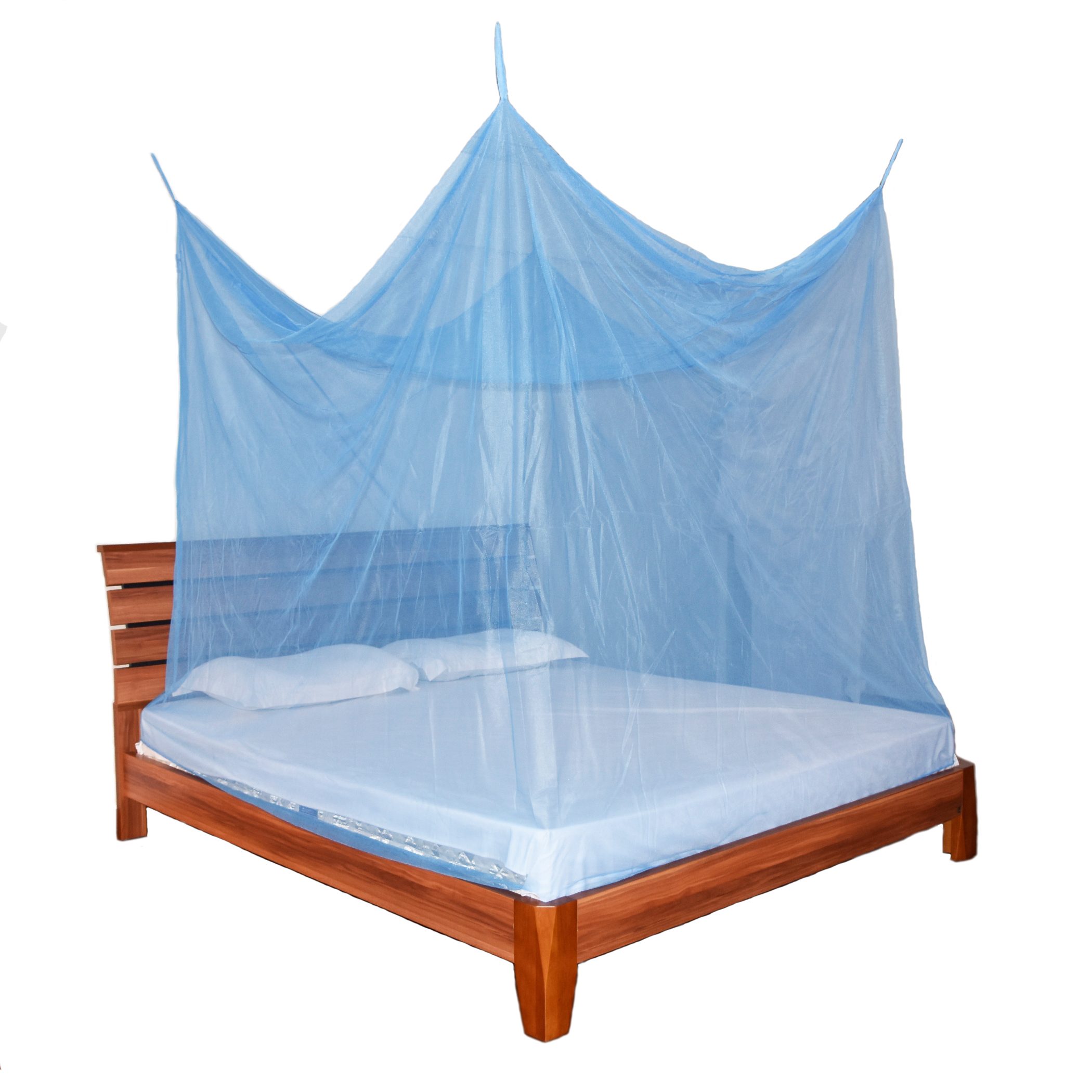
To assist procurement teams in evaluating their options, the following matrix outlines the standard specifications available for wholesale polyester LLINs:
| Parameter | 75D Standard Specification | 100D Standard Specification |
|---|---|---|
| Material Composition | 100% Polyester (Multi-filament) | 100% Polyester (Multi-filament) |
| Mesh Count (Holes/Inch²) | Minimum 156 (Standard 12 x 13 mesh) | Minimum 156 (Standard 12 x 13 mesh) |
| Minimum Bursting Strength | ≥ 250 kPa (ISO 13938-1) | ≥ 350 kPa (ISO 13938-1) |
| Insecticide Type | Deltamethrin / Alpha-cypermethrin | Deltamethrin / Alpha-cypermethrin |
| Wash Resistance | Retained efficacy up to 20 washes | Retained efficacy up to 20 washes |
| Fabric Weight (g/m²) | Approx. 30 g/m² - 35 g/m² | Approx. 40 g/m² - 45 g/m² |
Frequently Asked Questions Regarding LLIN Procurement
Q1: What is the estimated field lifespan of a 100% polyester LLIN under normal household conditions?
A1: Under typical domestic conditions in target regions, a high-quality 100% polyester LLIN is designed to remain effective for a minimum of three years. This lifespan is contingent on proper handling, avoiding exposure to direct sunlight when drying, and washing the net without harsh bleach-based detergents. The physical durability of 100D fabric generally yields a longer functional lifespan compared to 75D fabric in demanding environments.
Q2: How does the mesh size of 156 holes per square inch balance protection with ventilation?
A2: The 156 holes/inch² mesh is the internationally accepted standard for malaria vector control. The dimensions of the individual apertures are small enough to prevent the passage of Anopheles mosquitoes, while still allowing sufficient airflow. Maintaining this balance is important, as poor ventilation causes the interior of the net to become excessively warm, prompting users to sleep outside the net and exposing them to vectors.
Q3: Are the chemical binders used on polyester nets safe for infants and pregnant women?
A3: Yes, the pyrethroid insecticides and polymer resins applied to Yamei LLINs comply with strict international safety standards. Pyrethroids exhibit low mammalian toxicity, and the controlled-release formulation ensures that the active ingredient remains bound to the fabric fibers rather than transferring easily to human skin through casual contact. These nets undergo rigorous toxicological evaluations to confirm their safety for all household members, including vulnerable populations.
Q4: What is the significance of the bursting strength rating for bulk buyers?
A4: The bursting strength rating indicates how well the fabric resists tearing under pressure, such as when a child pulls on the net or when it is snagged on a bed frame. A higher bursting strength means fewer holes will develop over time. Physical holes compromise the insecticidal barrier, as mosquitoes can navigate through tears without coming into contact with the treated fibers. Sourcing nets that meet or exceed ISO strength standards reduces the rate of premature replacement.
Q5: Can these nets be customized with specific dimensions and border reinforcements?
A5: Yes, wholesale procurement often requires customization to fit local sleeping structures. Yamei provides options for various dimensions, including single, double, and family sizes, as well as rectangular or conical designs. Additionally, the bottom edge can be fitted with a heavy-duty border reinforcement (sometimes referred to as a sheeting border) to protect the net from wear where it is tucked under mattresses or sleeping mats.
Establish Your Wholesale Partnership with Yamei
Securing reliable, high-specification vector control products requires close collaboration with an experienced manufacturer. Yamei maintains strict quality control protocols across every stage of the production cycle, from raw polyester polymerization to final packaging. Our facilities are designed to handle high-volume demands while ensuring that each batch meets international performance baselines.
For detailed inquiries regarding product specifications, laboratory test reports, manufacturing lead times, or customized volume quotations, please reach out to our commercial procurement division. Our team is prepared to provide comprehensive support for your upcoming distribution campaigns and tender requirements.